
Living in a downtown Austin high-rise comes with spectacular views and a vibrant lifestyle. But those same 30 floors that give you a bird’s-eye view of Lady Bird Lake also create unique plumbing challenges that single-family homeowners never face. From pressure reducing valves that fail under constant strain to shared vertical stacks that amplify every drain gurgle, high-rise plumbing in Rainey Street condos requires specialized knowledge and equipment. Professional Drain Cleaning Services to Clear Stubborn Clogs in South Congress Apartments.
The City of Austin has seen explosive growth in its downtown core with buildings like The Independent and The Austonian pushing residential living higher than ever before. This vertical expansion means more residents dealing with multi-story plumbing systems where a small issue on the 5th floor becomes a major headache by the time it reaches the 30th floor. Understanding these challenges is the first step to preventing costly water damage and ensuring your condo’s plumbing system works reliably for years to come. City of Austin Plumbing Code.
Why High-Rise Plumbing in Rainey Street Is Different
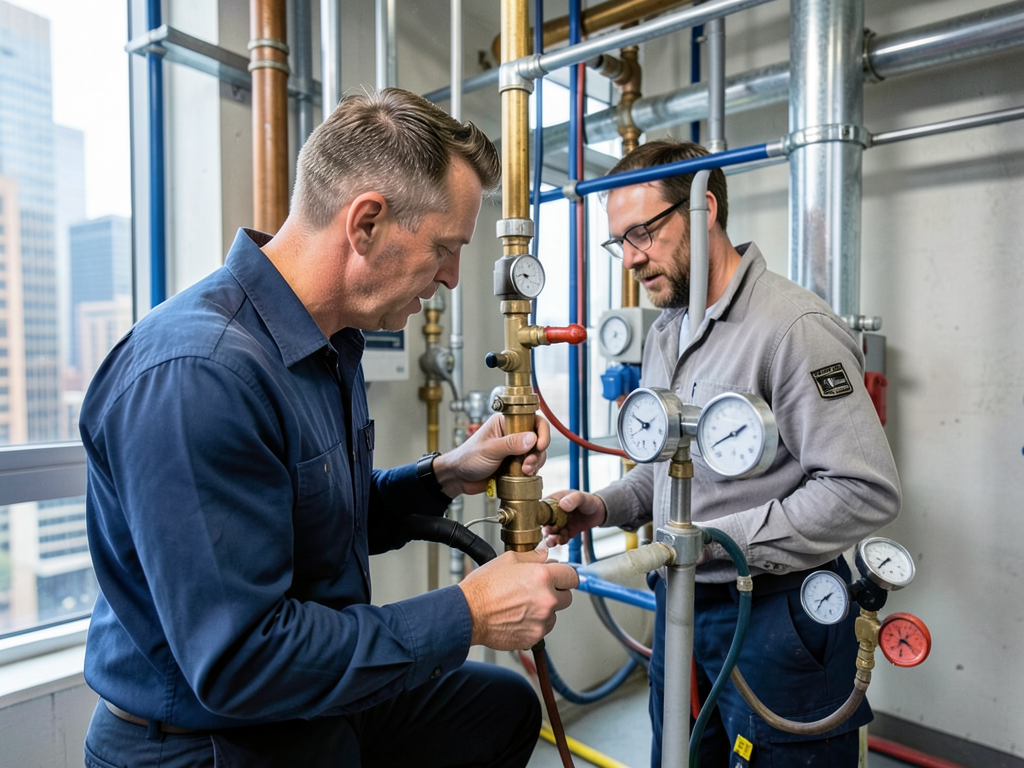
Unlike traditional homes where water flows by gravity alone, high-rise buildings require complex pressure management systems. Each floor in a downtown Austin high-rise experiences different water pressure levels. The bottom floors might see pressures exceeding 80 psi while upper floors struggle with barely 20 psi. This pressure differential creates stress on every component in the system from supply lines to fixtures. Water Heater Maintenance Tips.
Rainey Street’s older buildings converted from bungalows to high-rises present additional complications. Many of these structures have mixed plumbing systems where new high-pressure lines connect to older, more fragile pipes. The soil composition in downtown Austin, primarily clay-based with high shrink-swell capacity, also affects underground plumbing connections that feed these buildings. Plumbing San Marcos.
According to the City of Austin Plumbing Code Section 609.3, all buildings over three stories require pressure reducing valves (PRVs) on the domestic water supply. These devices must be tested annually and replaced every 5-7 years under normal conditions. In high-rise environments, PRV failure often occurs within 3-4 years due to the constant pressure cycling and mineral buildup from Austin’s hard water. Plumbing Pflugerville.
Common High-Rise Plumbing Issues in Downtown Austin
Pressure Reducing Valve (PRV) Failure
The most frequent call we receive from Rainey Street condo owners involves PRV failure. When these valves malfunction, you might experience either dangerously high pressure that can burst supply lines or insufficient pressure that makes showers feel like a trickle. The sound of a failing PRV often includes a high-pitched whine or rapid clicking as internal components wear out.
PRV replacement in high-rises requires coordination with building management since the main water supply must be shut off for the entire building. This process typically takes 2-3 hours and requires a licensed plumber familiar with commercial building protocols. The City of Austin requires permits for all PRV replacements in buildings over three stories.
Vertical Stack Clogs and Cross-Contamination
High-rise buildings use vertical waste stacks that carry sewage from all floors down to the main sewer line. When these stacks clog, the problem affects multiple units simultaneously. A blockage on the 15th floor might cause backups on floors 10-20 while leaving the upper and lower floors unaffected.
Cross-contamination occurs when negative pressure in the stack pulls water from nearby traps. You might hear gurgling sounds from your bathroom sink when someone upstairs flushes their toilet. This condition, known as trap siphonage, can allow sewer gases to enter your unit and create unpleasant odors throughout your condo.
Water Hammer and Pipe Movement
Water hammer sounds like someone hitting your pipes with a hammer when valves close suddenly. In high-rises, this phenomenon becomes more pronounced due to the increased water velocity in vertical risers. The constant movement can loosen pipe connections over time, leading to hidden leaks inside walls.
Pipe movement also causes noise transfer between units. You might hear your neighbor’s washing machine through your bedroom wall or feel vibrations when elevators operate. Proper pipe anchoring and water hammer arrestors can eliminate these issues, but installation requires access to building mechanical rooms and coordination with other residents.
Backflow Prevention Assembly Testing
City of Austin Municipal Code Section 246 requires annual testing of backflow prevention assemblies in all commercial and multi-family buildings. These devices prevent contaminated water from flowing back into the clean water supply. In high-rises, backflow preventers protect not just your unit but the entire building’s water system.
Testing involves specialized equipment and must be performed by a certified backflow tester. The process typically takes 30-45 minutes per assembly and generates a report that must be submitted to the City of Austin Water Utility. Failure to maintain current testing can result in water service disconnection.
The Impact of Austin’s Hard Water on High-Rise Systems
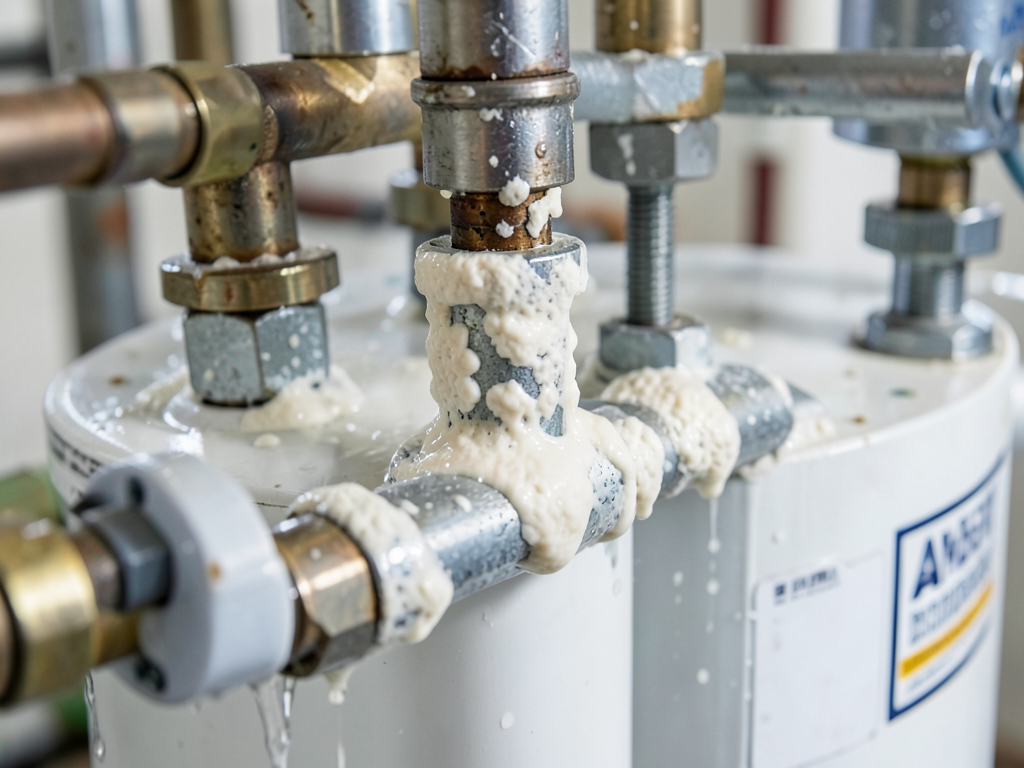
Austin’s water supply from the Edwards Aquifer contains high levels of calcium and magnesium. These minerals create scale buildup inside pipes, water heaters, and pressure reducing valves. In high-rise buildings, this scaling process accelerates due to the increased water velocity and pressure cycling.
Commercial water heaters in high-rises experience scale buildup 3-4 times faster than residential units. This accumulation reduces heating efficiency, increases energy costs, and shortens equipment lifespan. A typical commercial water heater in downtown Austin might need replacement after 5-7 years instead of the standard 10-12 years.
Scale buildup in PRVs causes them to stick in either the open or closed position. When stuck open, pressure can exceed 100 psi, potentially causing supply line failures. When stuck closed, you might experience barely enough pressure for basic tasks. Regular descaling and maintenance can extend PRV life by 2-3 years in hard water conditions.
Preventative Maintenance for Rainey Street Condo Owners
Prevention costs far less than emergency repairs. Here’s a maintenance schedule that can help you avoid common high-rise plumbing headaches: Finding an Emergency Plumber in Austin Who Actually Answers the Phone at 3 AM.
- Monthly Visual Inspections
Check under sinks, around toilets, and near water heaters for signs of moisture or corrosion. Look for water stains on ceilings below bathrooms, which often indicate hidden leaks in vertical risers.
- Quarterly Pressure Testing
Use a simple pressure gauge on an outdoor hose bib to monitor your unit’s water pressure. Readings consistently above 80 psi indicate PRV problems that need immediate attention.
- Annual Backflow Testing
Schedule certified backflow testing each spring before peak water usage season. Keep copies of all test reports for your records and building management.. Read more about How to Stop a Laundry Room Flood Before It Starts in Your Scofield Ridge Home.
- Bi-Annual Water Heater Maintenance
Drain and flush your water heater every six months to remove sediment buildup. Check the anode rod annually and replace it if more than 50% depleted.
Many Rainey Street buildings now offer smart water monitoring systems that can detect leaks within 30 minutes of occurrence. These IoT devices monitor water flow patterns and can automatically shut off supply lines when abnormal usage is detected. While the initial investment ranges from $500-1500 per unit, the potential savings from prevented water damage often justify the cost.
Emergency Response and Code Compliance
When plumbing emergencies strike high-rise buildings, the response must be immediate and coordinated. A burst supply line on the 25th floor can flood 15 units below within minutes. Every second counts when water is pouring through ceilings and walls.
City of Austin building permits are required for most plumbing repairs in buildings over three stories. This includes pipe replacement, valve repairs, and water heater installations. The permitting process typically takes 3-5 business days, but emergency permits can be issued within 24 hours for urgent situations.
Professional plumbers working in downtown Austin high-rises must carry specific insurance coverage including general liability, workers’ compensation, and commercial property damage coverage. Many buildings also require additional insurance certificates naming the building owner as an additional insured party.
Emergency response in high-rises requires specialized equipment including high-reach inspection cameras, portable water extraction units, and moisture detection meters that can read through concrete and drywall. Plumbers must also be familiar with building access protocols, elevator usage restrictions, and after-hours entry procedures.
Choosing the Right Plumbing Professional for Your High-Rise Needs
Not all plumbers have experience with high-rise systems. When selecting a plumbing contractor for your Rainey Street condo, verify they hold a current Texas State Board of Plumbing Examiners license and have specific experience with multi-story commercial buildings. Texas State Board of Plumbing Examiners.
Ask potential contractors about their experience with pressure reducing valves, backflow prevention, and vertical stack maintenance. Request references from other downtown Austin high-rise properties and verify their insurance coverage meets building requirements.
Professional high-rise plumbers should carry specialized tools including pipe freezing equipment for repairs without water shutdown, thermal imaging cameras for leak detection, and pipe locating devices that can find buried lines within concrete slabs.
Living with High-Rise Plumbing – Making It Work for You
Understanding your building’s plumbing system can help you live more comfortably in your high-rise condo. Know where your unit’s main water shutoff valve is located and how to operate it. Keep contact information for building maintenance and your preferred plumber readily available.
Consider installing water hammer arrestors if you hear banging pipes when faucets close. These simple devices can eliminate noise and prevent damage to your plumbing system. Also, be mindful of water usage patterns that might affect your neighbors, especially during peak hours when multiple units are using water simultaneously.
High-rise living in Rainey Street offers incredible lifestyle benefits, but it requires awareness of the unique plumbing challenges these buildings present. With proper maintenance, professional service when needed, and a basic understanding of how your building’s plumbing works, you can enjoy worry-free living in your downtown Austin condo.
Frequently Asked Questions
Why does my water pressure fluctuate throughout the day?
Pressure fluctuations in high-rises often result from simultaneous water usage by multiple units. During morning and evening peak hours, pressure may drop by 10-15 psi. PRV issues or building pump problems can also cause pressure variations. A professional pressure test can identify the specific cause.
How can I tell if my PRV needs replacement?
Signs of failing PRVs include water pressure above 80 psi, fluctuating pressure, noisy pipes, and premature failure of fixtures and appliances. If you hear whistling or humming sounds from your plumbing, your PRV likely needs inspection or replacement by a licensed professional.
Who is responsible for plumbing repairs in my condo?
Responsibility varies by building. Typically, the HOA maintains vertical stacks, main supply lines, and building-wide systems. Individual owners are responsible for supply lines within their unit and all fixtures. Check your condo documents or consult building management for specific responsibilities in your property.
High-rise plumbing problems require immediate attention to prevent extensive damage. Don’t wait until a small leak becomes a major flood. Call (737) 316-0588 today to schedule your comprehensive high-rise plumbing inspection. Our experienced technicians understand the unique challenges of Rainey Street condo systems and can identify potential problems before they become emergencies.
Pick up the phone and call (737) 316-0588 before the next storm hits. Downtown Austin’s clay soil expands when wet, putting additional stress on underground plumbing connections that feed your high-rise building. A quick inspection now can prevent costly water damage later.