
How to Get Rid of Those Tiny Black Flies Living in Your North Loop Drains
Those tiny black flies hovering around your bathroom or kitchen sink aren’t fruit flies—they’re drain flies. These fuzzy-winged pests breed in the organic gunk coating your North Loop home’s pipes. The humid Austin climate accelerates biofilm buildup, creating perfect breeding conditions in your P-traps and drain lines. Austin Water Utility.
North Loop’s mix of mid-century homes and newer construction means varied plumbing systems, but all share one vulnerability: the gelatinous film that forms when organic matter decomposes in standing water. This is where drain fly larvae thrive. The good news? You can eliminate them with the right approach. Professional Drain Cleaning Services to Clear Stubborn Clogs in South Congress Apartments.
Identifying Drain Flies vs. Fruit Flies
Drain flies (Psychodidae family) have moth-like wings covered in fine hairs, making them appear fuzzy. They’re about 1/8 inch long and weak flyers that hover near drains. Fruit flies are smaller, more streamlined, and attracted to ripening produce.
Perform the ‘tape test’ to confirm your infestation source. Place clear tape over the drain opening with tiny holes poked through it. Leave overnight. If flies are present, they’ll emerge and stick to the tape.
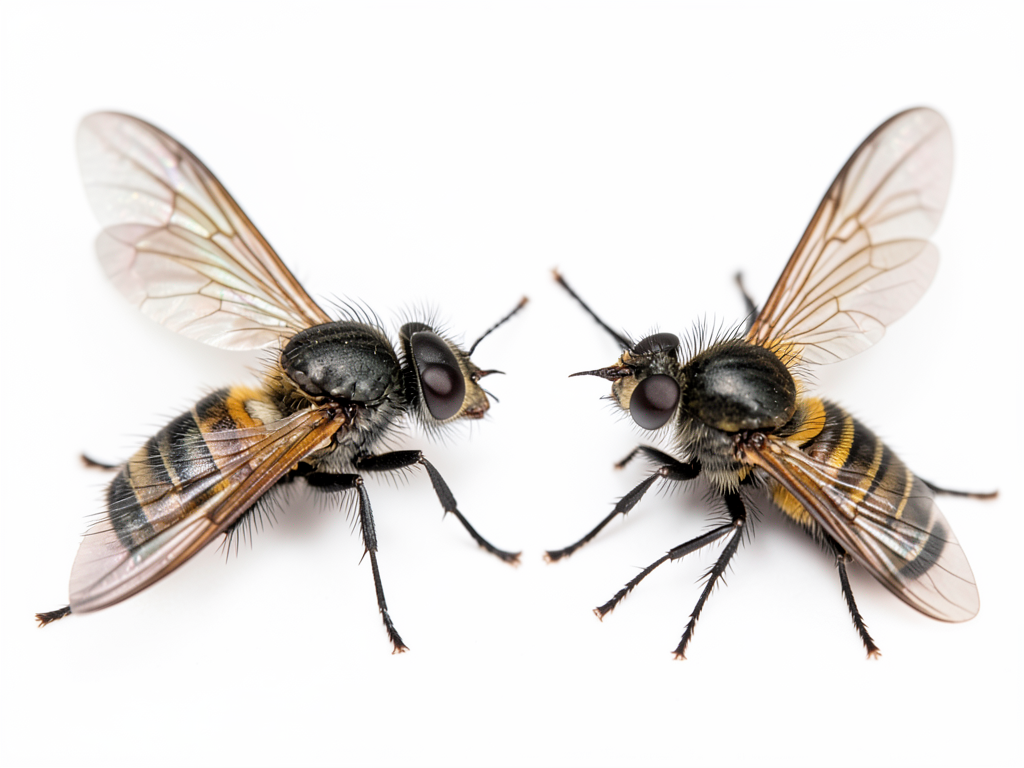
Close-up photo showing drain fly (Psychodidae) with fuzzy wings next to a standard housefly for size comparison
Why Austin Homes Are Prone to Infestations
Austin’s average humidity of 68% creates ideal conditions for organic decomposition in pipes. The city’s hard water, with calcium levels around 200 ppm according to Austin Water Utility data, leaves mineral deposits that trap organic matter. Water Heater Maintenance Tips.
North Loop’s older homes often have cast iron drain lines dating back to the 1950s-1970s. These pipes develop rough interiors where biofilm accumulates faster than in smooth PVC. The neighborhood’s mature tree canopy also means more organic debris entering roof vents.
Step-by-Step DIY Removal Methods
Start with the simplest approach. Remove the drain cover and use a pipe brush to scrub the accessible pipe walls. This breaks up the gelatinous film where larvae feed.
Boiling water flush works for minor buildup. Pour a gallon of boiling water slowly down the drain. The heat kills adult flies and loosens biofilm.
Baking soda and vinegar create a foaming action that reaches crevices. Pour 1/2 cup baking soda down the drain, followed by 1 cup vinegar. Cover the drain for 30 minutes, then flush with hot water. This method works best for prevention, not deep cleaning.
Enzyme-based drain cleaners digest organic matter without harsh chemicals. Products containing bacteria cultures break down the food source completely. Apply before bed and let sit overnight.
The ‘Hidden’ Breeding Grounds
AC condensate lines are major culprits in Austin homes. These PVC pipes drain water from your air handler and often terminate near the foundation. The constant moisture and organic debris create perfect fly habitat.
Floor drains in laundry rooms and garages collect debris and rarely see water flow. Without regular flushing, the P-trap dries out, allowing sewer gases and flies to enter.
Sump pump pits, though less common in North Loop, can harbor flies if the pump fails or the pit collects organic matter from groundwater.
When to Call a Professional Austin Plumber
Multiple drains affected? This suggests a main line issue rather than isolated P-traps. If flies appear in toilets, showers, and sinks simultaneously, you likely have a sewer line problem.
Persistent infestations after multiple cleaning attempts indicate a deeper issue. Cracked pipes under your slab create moist soil environments where flies breed continuously.. Read more about Dealing with Mold and Condensation Under Your Kitchen Sink During Austin Summers.
According to the International Plumbing Code Section 305.4, proper trap seal depth prevents sewer gas entry. If your traps are compromised, you need professional assessment. International Plumbing Code.
Signs of structural pipe damage include: flies returning within 24 hours of cleaning, sewage odors, slow drains throughout the house, or wet spots in your yard.

Technician using a motorized drain snake to clear a clogged pipe, showing the equipment used for professional drain cleaning
Professional Solutions for Stubborn Infestations
Hydro-jetting uses high-pressure water (up to 4,000 PSI) to scour pipe walls clean. This removes years of buildup that brushes and chemicals can’t reach. The process is safe for PVC and cast iron when performed by trained technicians.
Video pipe inspection reveals hidden damage. A waterproof camera shows cracks, breaks, or root intrusion that creates fly breeding sites. This diagnostic step prevents unnecessary pipe replacement.
Trenchless pipe lining creates a new pipe within the old one. An epoxy-saturated liner is inserted and cured in place, sealing cracks and creating a smooth surface that resists buildup.
Preventative Maintenance for Texas Summer Heat
Monthly drain maintenance prevents fly returns. Pour 1/2 cup baking soda down each drain, followed by 1 cup vinegar. Let fizz for 30 minutes, then flush with hot water.
Install drain screens to catch hair and debris before they enter pipes. Clean these weekly to prevent organic buildup.
Run water through unused drains weekly. This keeps P-traps filled and prevents sewer gas entry. Floor drains and guest bathroom sinks are common problem areas.
Clean AC condensate lines annually. Pour 1 cup of white vinegar down the condensate drain to kill algae and prevent clogs.
Understanding the Life Cycle
Drain flies complete their life cycle in 1-3 weeks depending on temperature. Females lay 30-100 eggs in the gelatinous film. Eggs hatch in 32-48 hours.
Larvae feed on the organic matter for 9-15 days before pupating. Adults emerge 1-2 days later and live about two weeks. This rapid reproduction means infestations can explode quickly.
Breaking the life cycle requires eliminating the breeding site, not just killing adults. Adult flies live only days, but larvae continue developing in untreated drains.
Technician performing video pipe inspection, showing the camera monitor displaying the interior of a drain pipe
North Loop-Specific Considerations
North Loop’s mix of architectural styles means varied plumbing ages. Homes near the Lamar Boulevard corridor often have galvanized steel drain lines from the 1960s-1970s that corrode internally, creating perfect fly habitat. Plumbing San Marcos.
The neighborhood’s elevation changes affect drainage. Homes on higher ground near North Loop West Boulevard may experience different pressure dynamics than those near the Colorado River floodplain.
Many North Loop homes have converted garages or additions with plumbing that sees infrequent use. These drains are prime candidates for fly infestations. Plumbing Pflugerville.
Cost Comparison: DIY vs. Professional Treatment
| Method | Initial Cost | Effectiveness | Time to Results |
|---|---|---|---|
| Boiling water flush | $0 | Low | Immediate, temporary |
| Enzyme cleaner | $15-30 | Medium | 24-48 hours |
| Professional cleaning | $200-400 | High | Same day |
| Video inspection + repair | $350-600 | Very high | 1-2 days |
Frequently Asked Questions
Are drain flies dangerous to my health?
Drain flies don’t bite or transmit diseases. They’re a nuisance pest that indicates organic buildup in your plumbing. The main concern is the underlying plumbing issue they reveal.
How long does it take to get rid of drain flies completely?
With proper treatment, you should see results within 48-72 hours. Complete elimination takes 1-2 weeks as larvae mature and die without a breeding site. Persistent infestations require identifying and fixing the root cause.
Can I use bleach to kill drain flies?
Bleach kills adult flies on contact but doesn’t penetrate the gelatinous film where larvae live. It also damages pipes and septic systems. Enzyme cleaners or professional cleaning are more effective long-term solutions.
Why do drain flies keep coming back after I clean the drain?
If flies return within days, you likely have a deeper issue like a cracked pipe, main line clog, or dried P-trap elsewhere in your system. Professional inspection can identify these hidden problems.
Do I need to replace my pipes if I have drain flies?
Not necessarily. Most infestations are resolved with cleaning. Replacement is only needed if video inspection reveals structural damage like cracks, breaks, or severe corrosion that cleaning can’t address.
Take Action Today
Don’t let drain flies take over your North Loop home. If you’ve tried DIY methods without success, or if you notice signs of a larger plumbing issue, it’s time to call in the professionals.
Call (737) 316-0588 today to schedule your drain inspection. Our experienced technicians will identify the source of your infestation and recommend the most effective solution for your specific situation.
Pick up the phone and call (737) 316-0588 before the next storm hits. Austin’s summer humidity will only make your drain fly problem worse if left untreated.
Remember, drain flies are more than just a nuisance—they’re a sign that your plumbing needs attention. Don’t wait until you have a major plumbing emergency on your hands. Finding an Emergency Plumber in Austin Who Actually Answers the Phone at 3 AM.
Call (737) 316-0588 now and take the first step toward a fly-free home.