
Getting a Property Tax Break for Rainwater Harvesting in Travis County
Homeowners in Austin can significantly reduce the cost of installing rainwater harvesting systems through a combination of state sales tax exemptions and local rebate programs. Understanding these financial incentives requires knowing the difference between tax exemptions, rebates, and credits, and how each applies to your rainwater project. Water Heater Maintenance Tips.
Understanding Texas Sales Tax Exemptions for Rainwater Equipment
Texas Tax Code Section 151.355 provides a sales tax exemption for water conservation equipment, including rainwater harvesting systems. This exemption covers storage tanks, pumps, filters, and other components used to collect and distribute rainwater for non-potable uses like irrigation and toilet flushing.. Read more about Lowering Your Water Bill with a Smart Irrigation Controller in Steiner Ranch.
To claim the exemption, you must complete Form 01-339 from the Texas Comptroller’s office. This certificate allows retailers to sell qualifying equipment without charging sales tax. The exemption applies to both residential and commercial installations, making it a significant cost-saving opportunity for Austin homeowners.
The exemption covers equipment that meets specific criteria: it must be used exclusively for water conservation purposes and cannot be permanently installed in a way that would prevent its removal. This means portable rain barrels qualify, while permanently mounted cisterns may require different documentation depending on their intended use.
Austin Water Rebates and the ‘Bucks for Barrels’ Program
Austin Water offers substantial rebates for rainwater harvesting installations through their conservation programs. The current rebate structure provides up to $0.50 per gallon of storage capacity for systems up to 5,000 gallons, with a maximum rebate of $2,500 for residential properties.
For larger commercial or multi-family installations, the rebate increases to $1.00 per gallon up to 5,000 gallons, then $0.50 per gallon for the next 5,000 gallons, with a maximum of $5,000. These rebates are designed to encourage water conservation in a region where drought conditions are increasingly common.
Eligibility requires pre-approval from Austin Water before installation begins. The system must be designed for non-potable use only, and you must provide documentation including site plans, equipment specifications, and a detailed installation timeline. Post-installation inspections verify that the system meets all requirements before rebate funds are released.
Property Tax Exemptions Under Texas Tax Code Section 11.31
Texas Tax Code Section 11.31 allows counties to offer property tax exemptions for land used for environmental protection purposes. Travis County has adopted this provision to encourage rainwater harvesting installations that reduce stormwater runoff and protect local watersheds.
The exemption applies to the land area occupied by the rainwater system and any associated equipment. For residential properties, this typically means the footprint of cisterns, storage tanks, and related infrastructure can be excluded from property tax calculations. The exemption must be renewed annually and requires documentation proving the system is actively used for water conservation.
To qualify, you must submit Form 50-248 to the Travis County Appraisal District along with evidence of your rainwater system’s installation and ongoing use. This includes maintenance records, water usage logs, and photographs showing the system in operation.
Plumbing Requirements for Rebate Eligibility
Meeting Austin’s plumbing requirements is essential for rebate eligibility. The City of Austin Plumbing Code requires specific backflow prevention devices on all non-potable water systems to prevent contamination of the municipal water supply. Plumbing San Marcos.
Backflow prevention assemblies must be installed on any connection between the rainwater system and the potable water supply. These devices prevent contaminated water from flowing backward into the city’s water mains. The type of assembly required depends on the system’s design and potential for cross-connection.
First-flush diverters are mandatory for all rainwater harvesting systems in Austin. These devices automatically divert the initial runoff from roof surfaces, which contains the highest concentration of contaminants like bird droppings, leaves, and roof chemicals. The diverter must be properly sized based on your roof area and local rainfall patterns.
Permitting through the City of Austin Development Services Department is required before installation. The permit process includes submitting detailed plans showing the system’s location, capacity, and connections to existing plumbing. Inspections occur at multiple stages to ensure compliance with all applicable codes and regulations. Plumbing Pflugerville.
Step-by-Step Application Process for Maximum Savings
Start by consulting with a licensed Master Plumber who specializes in rainwater harvesting systems. They can assess your property’s suitability, calculate potential water savings, and design a system that meets all rebate requirements while maximizing your return on investment.
Next, obtain pre-approval from Austin Water for their rebate program. This involves submitting detailed plans, equipment specifications, and a project timeline. Pre-approval ensures your system design qualifies for rebates before you invest in equipment or begin construction.
Complete the Texas sales tax exemption process by obtaining Form 01-339 and presenting it to your equipment supplier. This step can save hundreds of dollars on your initial equipment purchase, making the overall project more financially viable.
After installation, schedule inspections with both Austin Water and the City of Austin Development Services. These inspections verify that your system meets all safety and code requirements. Keep detailed records of all inspections, maintenance activities, and water usage for your property tax exemption application.
Finally, submit your rebate applications along with all required documentation. This typically includes receipts, inspection reports, system photos, and maintenance logs. Processing times vary, but most rebates are paid within 60-90 days of submission.
Cost-Benefit Analysis for Austin Homeowners
The initial cost of a rainwater harvesting system varies significantly based on size and complexity. A basic residential system with 500-1,000 gallons of storage typically costs between $3,000 and $7,000 installed. Larger systems with 2,500+ gallons can cost $10,000 to $20,000 or more.
When you factor in the Texas sales tax exemption, Austin Water rebates, and potential property tax savings, the net cost can be reduced by 30-50%. For a $10,000 system, this could mean $3,000 to $5,000 in savings, bringing the effective cost down to $5,000 to $7,000.
The payback period depends on your water usage patterns and local water rates. In Austin, where water costs continue to rise, a typical residential system can pay for itself in 5-7 years through reduced water bills and available incentives. Commercial properties with higher water usage may see payback in 3-4 years.
Maintenance Requirements for Ongoing Compliance
Maintaining your rainwater harvesting system is crucial for both performance and continued eligibility for tax breaks and rebates. Regular maintenance includes cleaning gutters, inspecting first-flush diverters, checking for leaks, and testing water quality if the system is used for any indoor purposes.
Annual inspections by a licensed plumber ensure that all components function properly and that backflow prevention devices meet current standards. Documentation of these inspections is required for property tax exemption renewals and may be requested during rebate audits.
Filters and pumps require periodic replacement according to manufacturer specifications. Keeping detailed maintenance records demonstrates ongoing compliance with rebate program requirements and supports your property tax exemption claims.
During freezing weather, which occurs periodically in Austin, the system must be properly winterized to prevent damage. This includes draining exposed pipes and protecting pumps and filters from freezing temperatures. Failure to maintain the system properly can result in loss of rebate eligibility and potential property tax assessment adjustments. Professional Drain Cleaning Services to Clear Stubborn Clogs in South Congress Apartments.
Common Mistakes That Can Cost You Thousands
One of the most frequent errors is starting installation before obtaining pre-approval from Austin Water. This can result in a system that doesn’t qualify for rebates or fails to meet code requirements, potentially costing thousands in rework or lost incentives.
Another common mistake is underestimating the importance of proper backflow prevention. Installing an inadequate or incorrectly positioned backflow preventer can lead to system failure, contamination risks, and potential fines from the city. These devices must be tested annually by certified professionals.
Many homeowners also fail to properly document their system for property tax exemption purposes. Without detailed records of installation, maintenance, and water usage, you may lose your exemption or face challenges during property tax assessments.
Choosing equipment that doesn’t qualify for the Texas sales tax exemption is another costly error. Some components, particularly those used for potable water systems or permanently installed fixtures, may not qualify for the exemption, reducing your potential savings.
Getting Professional Help for Maximum Benefits
Working with experienced professionals who understand both the technical and financial aspects of rainwater harvesting can maximize your benefits. A licensed Master Plumber can design a system that meets all code requirements while optimizing for the available rebates and tax breaks.
Professional installers also understand the documentation requirements for each incentive program. They can help you complete applications correctly, gather required documentation, and navigate the inspection process. This expertise can mean the difference between receiving full benefits and missing out on thousands of dollars in savings.
When selecting a contractor, verify their experience with rainwater harvesting systems specifically. Ask for references from previous projects and examples of successful rebate applications. The right professional can help you avoid costly mistakes and ensure your system qualifies for all available incentives.
Consider scheduling a consultation before making any decisions about rainwater harvesting. A professional assessment can help you understand the true costs, potential savings, and whether your property is suitable for a system that qualifies for maximum incentives.
Frequently Asked Questions
How much can I save with rainwater harvesting tax breaks in Austin?
Homeowners can save 30-50% on system costs through sales tax exemptions, Austin Water rebates up to $5,000, and property tax exemptions on system footprints. Total savings depend on system size and local water usage patterns.
Do I need permits for a rainwater harvesting system in Austin?
Yes, permits from the City of Austin Development Services Department are required. The permitting process includes submitting detailed plans and undergoing inspections to ensure compliance with plumbing codes and safety standards.
Can I use rainwater for indoor purposes and still get rebates?
Rebates typically apply to non-potable uses only, such as irrigation and toilet flushing. Using rainwater indoors for drinking or bathing requires additional treatment and permits, which may affect rebate eligibility.
How long does it take to get Austin Water rebates?
Processing times vary, but most rebates are paid within 60-90 days after submitting a complete application with all required documentation, including inspection reports and maintenance records.
What maintenance is required to keep my system compliant?
Annual inspections, regular cleaning of gutters and filters, testing of backflow prevention devices, and proper documentation of all maintenance activities are required to maintain compliance with rebate and tax exemption programs.
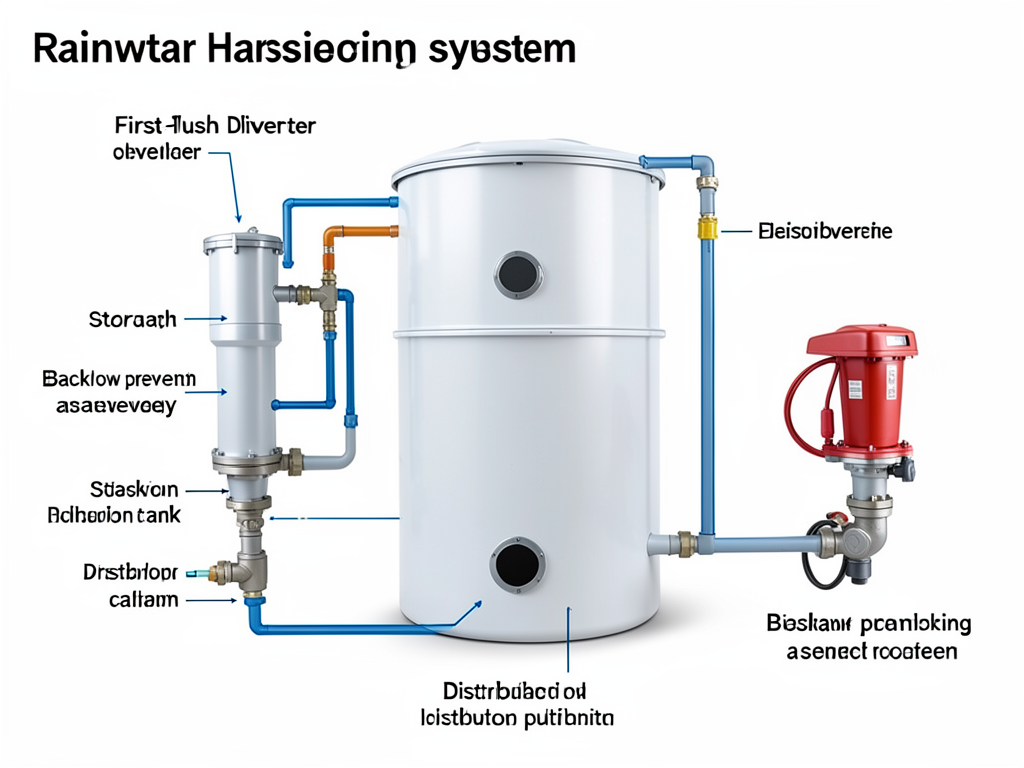
Diagram showing rainwater harvesting system components including first-flush diverter, backflow prevention assembly, storage tank, and distribution pump with proper connections to existing plumbing.
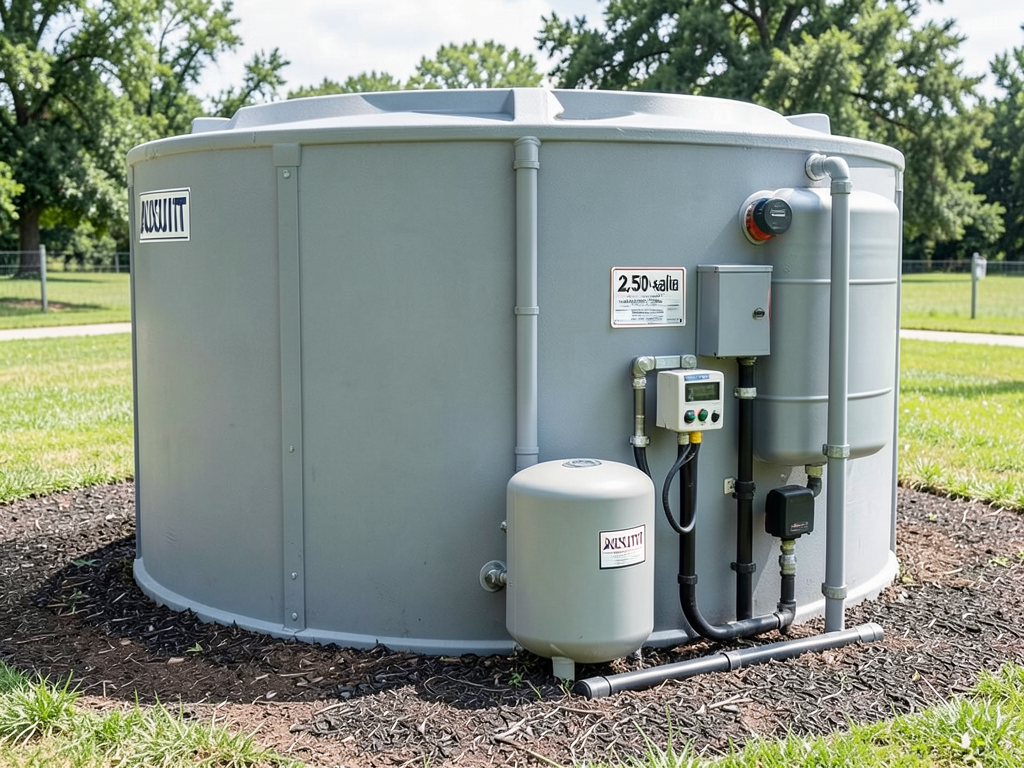
Photo of a typical Austin residential rainwater harvesting installation showing 2,500-gallon cistern, pressure tank, filtration system, and automated irrigation controls.
Technician performing annual maintenance inspection on a rainwater harvesting system, checking backflow preventer certification and testing pump pressure settings.
Take Action Today to Start Saving
The combination of sales tax exemptions, Austin Water rebates, and property tax breaks makes 2026 an ideal time to invest in rainwater harvesting. These incentives can significantly reduce your upfront costs while providing long-term water savings and environmental benefits.
Don’t wait until the next drought or water restriction to start saving. The application processes for rebates and tax exemptions can take several months, and popular contractors often book several weeks in advance. Early planning ensures you maximize all available benefits.
Ready to learn how much you can save? Call (737) 316-0588 today to schedule a consultation with our Master Plumbers. We’ll assess your property, explain all available incentives, and design a system that qualifies for maximum savings while meeting all Austin code requirements.
Pick up the phone and call (737) 316-0588 before the next storm hits. Every rainfall is potential savings going down the drain if you don’t have the right system in place. Our team has helped hundreds of Austin homeowners navigate the rebate process and achieve significant water savings.
Don’t let confusion about tax breaks and rebates prevent you from taking advantage of these valuable incentives. Our experts stay current on all Austin Water programs and Texas tax regulations, ensuring your system qualifies for every available benefit. Call (737) 316-0588 now to get started on your path to water independence and substantial savings.