
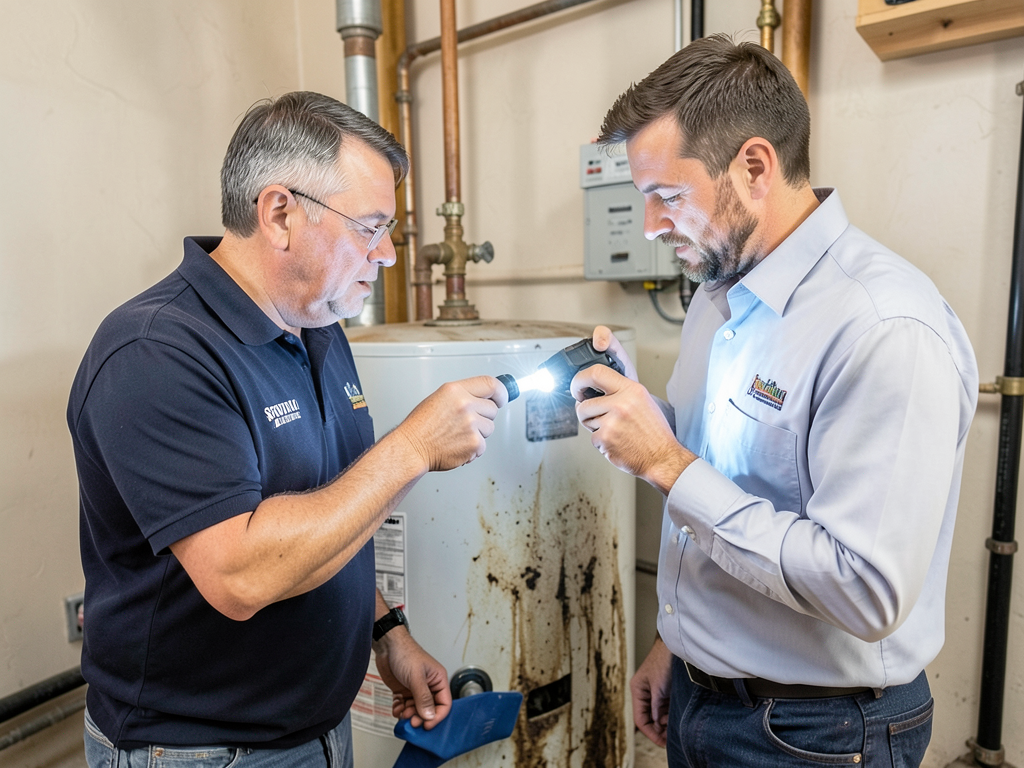
What Your Noisy Sunset Valley Water Heater Is Trying to Tell You
That knocking sound from your basement or garage is not just annoying. It is your water heater telling you something is wrong. In Sunset Valley, where the Edwards Aquifer delivers some of the hardest water in Central Texas, sediment buildup happens faster than in most other cities. That means your knocking could be a warning of a tank that is working too hard, wasting energy, and heading toward failure. Texas State Board of Plumbing Examiners.
Within the first 100 words, here is what you need to know: If your water heater makes a knocking, popping, or rumbling sound, it is usually sediment buildup trapping water under a layer of minerals. In Sunset Valley, this happens quickly because of the high calcium carbonate content in the local water supply. Left alone, this can lead to overheating, pressure problems, and even tank rupture. The fix is often a professional flush, but sometimes replacement is the safer choice. Professional Drain Cleaning Services to Clear Stubborn Clogs in South Congress Apartments.
Common Noises and What They Mean
Water heaters can make several different sounds. Each one points to a different problem. Here is how to tell them apart. Water Heater Maintenance Tips.
Knocking or Popping Sounds
This is the most common noise in Sunset Valley homes. It happens when sediment builds up at the bottom of the tank. Water trapped under the sediment turns to steam when the burner heats the tank. The steam bursts through the sediment layer, creating a popping or knocking noise. This is called “kettling.”. Read more about Getting Hot Water Faster with a Recirculating Pump in Davenport Ranch.
Banging or Hammering
If the noise sounds more like a hammer hitting the pipes, you might have water hammer. This happens when a valve closes quickly and the water flow stops suddenly. The shock wave travels through the pipes and can damage both the pipes and the water heater. A water hammer arrestor can fix this.
Ticking or Clicking
Ticking often comes from thermal expansion. As the metal tank heats and cools, it expands and contracts. If your home has a closed water system, this can create pressure changes that make the tank or pipes tick. A thermal expansion tank can solve this.
Why Sunset Valley Water Heaters Are More Vulnerable
Sunset Valley sits over the Edwards Aquifer, which is known for its high mineral content. The water here averages between 15 and 25 grains per gallon of hardness. That is nearly twice the national average. Over time, calcium carbonate and magnesium build up inside your tank. This is not just a Sunset Valley problem. Homes in nearby Oak Hill and Shady Hollow face the same issue.
The Texas State Board of Plumbing Examiners requires all water heater installations to follow the International Plumbing Code with local amendments. That means your tank must have a properly sized temperature and pressure relief valve. If sediment buildup causes overheating, that valve is your last line of defense against a burst tank. Plumbing San Marcos.
DIY Troubleshooting vs. When to Call a Pro
Some water heater noises are safe to troubleshoot yourself. Others need a licensed plumber. Here is how to tell the difference.
Safe DIY Checks
- Listen for the type of noise. Popping usually means sediment. Banging could mean water hammer.
- Check the pressure relief valve. Lift the lever slightly. If water flows out and stops when you release it, the valve works. If not, call a pro.
- Look for leaks around the base of the tank. Any moisture means internal damage.
- Check the age of your unit. Most tanks last 8 to 12 years. If yours is older, replacement may be smarter than repair.
Signs You Need a Professional Now
- The knocking is loud enough to hear from another room.
- You see rusty water from hot taps.
- The tank is leaking from the bottom.
- Your energy bills have jumped without explanation.
How to Flush Your Water Heater (If It Is Safe to Do So)
If your tank is under ten years old and the noise is mild, a flush might help. Here is how to do it safely.
- Turn Off Power or Gas
For electric, switch off the breaker. For gas, set the control to “pilot.”
- Shut Off the Cold Water Supply
Turn the valve above the tank clockwise until it stops.
- Connect a Garden Hose
Attach it to the drain valve at the bottom of the tank. Run the other end to a floor drain or outside.
- Open the Drain Valve
Let the water flow out. If it is cloudy or full of sediment, that is the problem.
- Flush with Cold Water
Open the cold water supply for a few minutes to stir up and remove more sediment.
- Close the Valve and Refill
Close the drain valve, remove the hose, and open the cold water supply to refill the tank.
- Restore Power or Gas
Turn the breaker back on or set the gas control to “on.”
If the knocking returns within a few weeks, the sediment layer is too thick for a simple flush. That means it is time to call a pro.
Cost Comparison: Flush vs. Replace in Sunset Valley
Here is a quick look at what you might expect to pay for common water heater services in the Austin metro area. Prices vary by season and demand.
| Service | Typical Cost Range | Best For |
|---|---|---|
| Professional Flush | $150 – $300 | Tanks under 10 years with mild sediment |
| Anode Rod Replacement | $200 – $400 | Preventing future corrosion |
| 40-Gallon Replacement | $1,200 – $2,500 | Old or leaking tanks |
| Thermal Expansion Tank Install | $300 – $600 | Fixing ticking or pressure issues |
| Water Hammer Arrestor | $150 – $350 | Stopping banging pipes |
Preventing Future Problems
Once your water heater is quiet again, you want to keep it that way. Here are steps that work in Sunset Valley’s hard water conditions.
- Flush the tank once a year. If your water is very hard, do it twice a year.
- Replace the anode rod every three to five years. This rod attracts corrosion and protects the tank.
- Install a whole-house water softener if you have not already. This reduces mineral buildup in all your appliances.
- Check the pressure relief valve every six months. Lift the lever and make sure it releases water.
- Keep the area around the water heater clear. This helps you spot leaks early.
Local Water Quality and Your Water Heater
The City of Austin publishes an annual water quality report. In 2025, the Edwards Aquifer water entering Sunset Valley homes averaged 17 grains per gallon of hardness. That is considered “very hard” by EPA standards. Over a year, that means several pounds of calcium carbonate can settle in your tank. EPA WaterSense.
The EPA recommends water softeners for hardness levels above 10 grains per gallon. If you live in neighborhoods like Maple Run or Indian Creek, you are likely on municipal water with these high mineral levels. A softener can extend the life of your water heater by several years.
Safety First: What Not to Do
Water heaters combine water, high heat, and sometimes gas or high-voltage electricity. That makes them dangerous if handled wrong. Never do these things:
- Do not remove the temperature and pressure relief valve. This is a safety device required by code.
- Do not block the flue on a gas heater. This can cause carbon monoxide buildup.
- Do not ignore a leaking tank. A small leak can turn into a flood in minutes.
- Do not try to repair a gas control valve or heating element unless you are licensed.
Frequently Asked Questions
Is a knocking water heater dangerous?
It can be. If the noise is from severe sediment buildup, the tank can overheat and the pressure relief valve may fail. This could lead to a burst tank. If you hear loud knocking, turn off the unit and call a pro.
Can I fix a knocking water heater myself?
You can flush it if it is under ten years old and the problem is mild. If the noise returns quickly or the tank is older, you need a professional. Sediment that deep often requires tank removal to clean properly.
How long will a flushed water heater last?
A proper flush can add two to four years to a tank’s life. But if your water is very hard, you may need to flush it every six months to keep it efficient.
What does it cost to replace a water heater in Sunset Valley?
Replacement costs in Sunset Valley range from $1,200 to $2,500 for a standard 40-gallon unit. Tankless models cost more but save space and energy. A plumber can help you choose based on your household size and water usage. Is Switching to a Tankless Water Heater Worth It for Your Cedar Park Home?.
Call All Pro Plumbing for Fast, Local Service
If your water heater is making noise, do not wait until it fails. A quick inspection now can save you from a flooded garage or cold showers later. All Pro Plumbing has served Sunset Valley and the greater Austin area for years. We know the local water conditions and how they affect your plumbing. Plumbing Pflugerville.
Call (737) 316-0588 today to schedule your inspection. We offer same-day service for urgent issues and honest advice on whether to repair or replace your unit.
Pick up the phone and call (737) 316-0588 before the next storm hits. A quiet water heater is a safe water heater.