
Grease Trap Cleaning Requirements for New Food Businesses on South Lamar
If you’re opening a restaurant on South Lamar Boulevard, understanding Austin’s grease trap cleaning requirements is critical for compliance and avoiding costly fines. The City of Austin’s Grease Control Ordinance mandates specific cleaning frequencies and documentation for all food service establishments to protect the Colorado River watershed from Fats, Oils, and Grease (FOG) contamination.
South Lamar’s vibrant restaurant scene faces unique challenges due to the area’s older sewer infrastructure and high concentration of food businesses. The City of Austin’s FOG Program requires commercial kitchens to maintain grease interceptors that prevent FOG from entering the municipal sewer system. Failure to comply can result in fines ranging from $500 to $5,000 per violation, with repeat offenders facing business permit suspension.
The Austin Water Utility enforces the City Code Chapter 15-10, which specifically addresses grease control measures. New food businesses must install appropriate grease interceptors based on their kitchen’s FOG production volume, with sizes ranging from 50-gallon indoor traps to 1,000+ gallon outdoor interceptors for high-volume establishments.
Understanding Austin’s 25% Rule for Grease Trap Maintenance
The cornerstone of Austin’s grease trap requirements is the 25% Rule, established by the Texas Commission on Environmental Quality (TCEQ). This regulation requires grease interceptors to be cleaned when they reach 25% capacity of combined FOG and solids accumulation. Most South Lamar restaurants need cleaning every 30-90 days depending on their kitchen volume and menu type.
Commercial kitchens on South Lamar Boulevard, particularly those near the South Lamar Boulevard Improvement Project, face additional scrutiny due to the area’s ongoing infrastructure upgrades. The City of Austin’s Special Services Division conducts regular inspections and may require more frequent cleaning for establishments in high-risk areas.
Documentation is crucial for compliance. Every grease trap cleaning must be performed by a licensed TCEQ-licensed liquid waste hauler who provides a disposal manifest showing proper waste processing at approved facilities. These manifests must be kept on file for at least three years and made available for city inspections.
Types of Grease Interceptors and South Lamar Requirements
The City of Austin recognizes two main types of grease control devices: interior grease traps and exterior grease interceptors. Interior traps (typically 50-100 gallons) are common in smaller South Lamar establishments like cafes and sandwich shops, while larger restaurants near the Zilker Park area often require exterior interceptors (500-2,000 gallons).
Size selection depends on your kitchen’s FOG production, calculated using the TCEQ’s Standard Plumbing Code guidelines. Restaurants serving fried foods, sauces, or dairy products typically produce more FOG and require larger interceptors. The City of Austin provides sizing calculations based on your kitchen’s number of fixtures, menu items, and peak hour production.
South Lamar’s older buildings, many constructed before current codes, may require retrofitting to meet current requirements. The Austin Building Inspection Department reviews all grease interceptor installations to ensure proper sizing and placement according to Austin Water’s Design Manual.
The Professional Cleaning Process for Austin Restaurants
Professional grease trap cleaning involves more than just pumping out visible grease. A complete service includes inspection of inlet and outlet baffles, checking for damage to the tank structure, and verifying proper water flow. The City of Austin requires that cleaning remove all accumulated FOG and solids, not just the top layer.
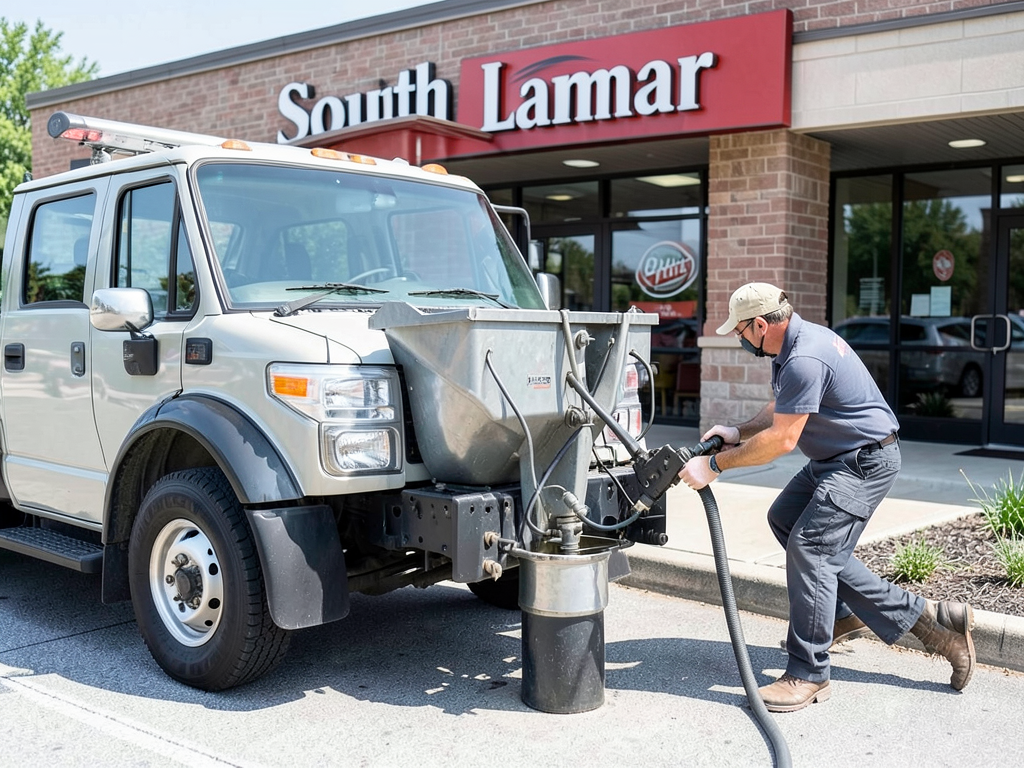
During cleaning, technicians use specialized vacuum trucks equipped with pressure washing systems to thoroughly clean all surfaces. The process typically takes 1-2 hours for standard units and longer for larger interceptors. All waste must be transported to approved processing facilities where it’s converted to biodiesel or other useful products rather than sent to landfills.
South Lamar restaurants benefit from working with local providers who understand the area’s specific challenges. The neighborhood’s mix of historic buildings and new construction means each establishment may have unique plumbing configurations that affect grease trap performance. Local technicians can identify potential issues before they cause backups or violations. Plumbing San Marcos.
Emergency Services and 24/7 Response for South Lamar
Grease trap emergencies don’t follow business hours. A blocked interceptor can cause immediate kitchen shutdowns, health code violations, and expensive water damage. South Lamar’s high-traffic areas near South Congress Avenue and the Zilker Park area require rapid response to minimize business disruption.
Professional services offer 24/7 emergency response with average arrival times under 90 minutes for South Lamar locations. Emergency services include immediate blockage clearing, temporary bypass setup to keep kitchens operational, and full cleaning once normal business hours resume. The cost of emergency service typically ranges from $500-1,500 depending on severity and time of day. Finding an Emergency Plumber in Austin Who Actually Answers the Phone at 3 AM.
Prevention is always more cost-effective than emergency response. Many South Lamar restaurants establish regular maintenance schedules that prevent the emergency situations that can cost thousands in lost business and repairs. A consistent cleaning schedule also helps predict costs and ensures uninterrupted kitchen operations.
Cost Factors and Service Plans for South Lamar Restaurants
Grease trap cleaning costs in South Lamar vary based on trap size, accessibility, and cleaning frequency. Small interior traps (50-100 gallons) typically cost $150-300 per cleaning, while large exterior interceptors can range from $300-800. Restaurants with high FOG production may pay more for more frequent service.
Service plans offer significant savings compared to emergency or as-needed cleaning. Monthly plans for small traps start around $400-500, while quarterly plans for larger units range from $800-1,200. These plans include priority scheduling, emergency response discounts, and compliance documentation management.
South Lamar’s concentration of food businesses allows for route optimization, potentially reducing costs for establishments on the same street or in the same shopping center. Many service providers offer neighborhood discounts for multiple clients in close proximity, making professional maintenance more affordable for new businesses. Professional Drain Cleaning Services to Clear Stubborn Clogs in South Congress Apartments.
Environmental Impact and Proper Disposal Methods
Proper grease trap maintenance protects more than just your business—it safeguards Austin’s waterways and environment. The Colorado River, which receives Austin’s treated wastewater, is particularly sensitive to FOG contamination. One gallon of improperly disposed grease can contaminate up to one million gallons of water, affecting aquatic life and water quality. Water Heater Maintenance Tips.
Austin-approved disposal facilities process collected grease through anaerobic digestion or conversion to biodiesel. This creates renewable energy while keeping harmful substances out of landfills and waterways. The TCEQ tracks all disposal manifests to ensure proper handling throughout the waste stream.
South Lamar restaurants contribute to Austin’s sustainability goals by participating in proper FOG management. Many establishments partner with local recycling programs that convert used cooking oil into biofuel, creating a circular economy that benefits both businesses and the environment. This commitment to environmental stewardship also appeals to Austin’s eco-conscious consumers.
Common Violations and How to Avoid Them
The most frequent violations involve inadequate cleaning frequency, improper disposal documentation, and failing to maintain required interceptors. South Lamar restaurants often receive violations for exceeding the 25% capacity threshold, using unlicensed haulers, or failing to keep manifests for the required three-year period.
Another common issue is improper sizing or installation. Some older South Lamar buildings have undersized interceptors that cannot handle current kitchen volumes, leading to frequent overflows and violations. The Building Inspection Department may require costly upgrades to bring these systems into compliance.
DIY cleaning or using unlicensed services is illegal and dangerous. Only TCEQ-licensed haulers can legally transport and dispose of grease trap waste. These professionals understand proper disposal methods, maintain required insurance, and provide necessary documentation for city compliance.
Choosing the Right Service Provider for Your South Lamar Business
When selecting a grease trap service provider, verify their TCEQ licensing, insurance coverage, and experience with Austin’s specific requirements. Local providers understand South Lamar’s unique challenges, including older infrastructure, high restaurant density, and proximity to environmentally sensitive areas.
Ask potential providers about their emergency response capabilities, documentation systems, and compliance guarantees. The best providers offer digital manifest tracking, automatic scheduling reminders, and direct communication with city inspectors when needed. They should also provide references from other South Lamar establishments.
Price shouldn’t be the only consideration. A provider offering significantly lower rates may cut corners on cleaning thoroughness or proper disposal, potentially costing more in fines and emergency services. Look for companies with strong local reputations, proper licensing, and comprehensive service guarantees.
Frequently Asked Questions
How often should my South Lamar restaurant clean its grease trap?
Most South Lamar restaurants need cleaning every 30-90 days based on the 25% Rule. High-volume kitchens or those serving fried foods may need monthly service, while smaller cafes might extend to 90 days. Your specific frequency depends on trap size and FOG production volume.
What happens if I miss a scheduled cleaning?
Missing cleanings can cause backups, health code violations, and fines from the City of Austin. The 25% Rule still applies, so you’re responsible for cleaning regardless of schedule. Emergency cleanings cost significantly more and may require kitchen shutdown until resolved.
Can I clean the grease trap myself to save money?
No. Texas law requires TCEQ-licensed haulers to transport and dispose of grease trap waste. DIY cleaning is illegal and can result in fines. Professional cleaning also ensures thorough removal of all FOG and solids, not just visible grease.
How much does grease trap cleaning cost in South Lamar?
Costs range from $150-300 for small interior traps to $300-800 for large exterior interceptors. Service plans offering regular maintenance typically provide better value than emergency or as-needed cleaning. Many providers offer neighborhood discounts for multiple nearby establishments.
What documentation do I need to keep for city inspections?
You must maintain disposal manifests from all cleanings for at least three years. These documents prove proper disposal at approved facilities and compliance with cleaning frequencies. Your service provider should provide these automatically, but you’re responsible for maintaining them for city inspections.
Take Action to Protect Your South Lamar Restaurant
Don’t wait for a grease trap emergency to disrupt your business. Contact a licensed professional today to assess your current system and establish a compliance schedule that protects your investment and keeps your kitchen running smoothly.
Call (737) 316-0588 to schedule your grease trap evaluation and learn about service plans designed specifically for South Lamar restaurants. Our team understands Austin’s unique requirements and provides fast, reliable service to keep your business compliant and operational.
Remember, proper grease trap maintenance isn’t just about avoiding fines—it’s about protecting your business, your customers, and Austin’s environment. Make the smart choice for your South Lamar restaurant today.