
Comparing PEX vs Copper Piping for Your Bouldin Creek Remodel
When planning a plumbing remodel in Bouldin Creek the material choice between PEX and copper can feel overwhelming. Both have proven track records but perform very differently under Austin’s specific conditions. PEX offers flexibility and freeze resistance while copper provides unmatched longevity and heat tolerance. The right choice depends on your home’s age water chemistry and renovation goals. Plumbing San Marcos.
Bouldin Creek homes built before 1970 often contain galvanized steel that corrodes from the inside out. Those from the 1980s may have polybutylene which fails prematurely. Understanding how each modern material handles Austin’s hard water and occasional deep freezes helps you avoid costly mistakes. Water Heater Maintenance Tips.
Understanding the Materials: PEX-A vs. Type L Copper
PEX-A (the highest grade cross-linked polyethylene) expands up to three times its size when frozen preventing burst pipes. Type L copper offers 50+ year lifespans in ideal conditions but corrodes faster in Austin’s alkaline water. PEX installs 40-60% faster using fewer fittings while copper requires soldering and careful slope planning.. Read more about Choosing Between PEX A and PEX B for Your Next Austin Plumbing Project.
Material flexibility matters in Bouldin Creek’s older homes where walls shift slightly over decades. PEX handles this movement without cracking. Copper transfers heat efficiently which helps with hot water delivery but also means more heat loss in attic runs during summer.
Cost differences reflect more than material prices. PEX requires specialized expansion tools but fewer skilled labor hours. Copper needs experienced fitters and careful code compliance for support spacing. Both materials meet Austin Water Utility standards when installed correctly.
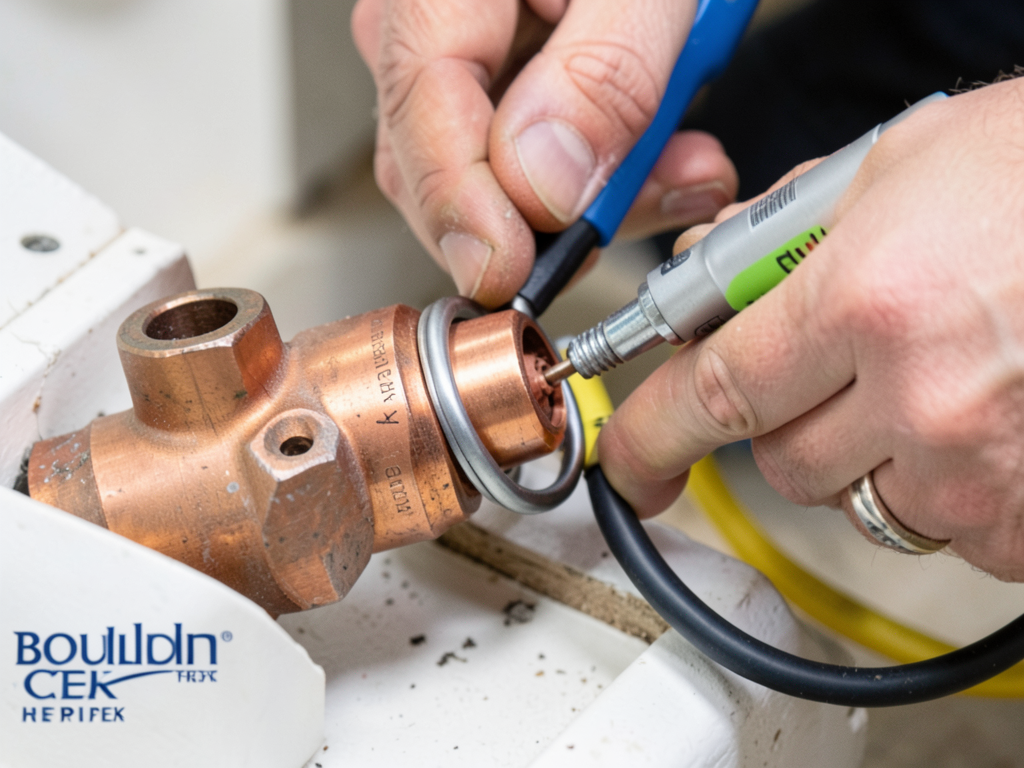
The Austin Factor: How Local Hard Water Impacts Pipe Longevity
Austin’s water from the Edwards Aquifer contains 200-300 parts per million of dissolved calcium. This mineral buildup affects copper more severely than PEX. Scale forms inside copper pipes reducing flow by 30-50% over 15-20 years. PEX’s smooth interior resists scaling maintaining original flow rates.
Chloramine treatment used by Austin Water Utility accelerates copper corrosion through a process called dezincification. PEX resists chemical degradation from these disinfectants. Homes near Barton Springs experience slightly softer water but still face mineral challenges.
Soil acidity in Bouldin Creek varies from slightly alkaline to moderately acidic. Copper buried in acidic soil corrodes from the outside while PEX remains unaffected. This matters for main water lines and under-slab installations where replacement costs multiply.
Direct Comparison: Cost Durability and Installation Speed
| Factor | PEX | Copper |
|---|---|---|
| Material Cost per Foot | $0.50 – $2.00 | $2.50 – $4.50 |
| Installation Time | 1-2 days for whole house | 3-5 days for whole house |
| Freeze Resistance | Excellent – expands without breaking | Poor – bursts at 20°F |
| Expected Lifespan | 30-50 years | 50-75 years |
| Chloramine Resistance | Excellent | Moderate to poor |
Installation speed translates directly to labor costs. A PEX whole-house repipe in a Bouldin Creek bungalow might cost $4,000-6,000 while copper could reach $8,000-12,000. The price gap widens for complex layouts with multiple stories.
Copper’s higher upfront cost may pay off in homes you plan to keep 20+ years. PEX’s lower initial investment appeals to flippers or homeowners expecting to move within a decade. Both materials increase home value when replacing failing galvanized pipes.
Performance During Central Texas Freezes: A Critical Comparison
February 2021’s Winter Storm Uri exposed weaknesses in Austin’s plumbing infrastructure. Copper pipes froze and burst at rates 3-4 times higher than PEX in similarly exposed locations. Bouldin Creek homes with attic plumbing saw extensive damage when attic temperatures dropped to 10-15°F. Plumbing Pflugerville.
PEX’s freeze resistance doesn’t mean freeze-proof. Ice formation still blocks water flow but the pipe typically survives. Copper develops pressure cracks that leak slowly then catastrophically when thawing begins. This delay often causes more damage than the initial freeze.. Read more about Why Your Wooten Shower Has Such Weak Pressure (And How to Fix It Fast).
Heat tape installation costs $300-500 for typical PEX runs versus $500-800 for copper. Both materials benefit from insulation in unconditioned spaces. Bouldin Creek’s mix of pier-and-beam and slab foundations affects vulnerability differently than newer developments.
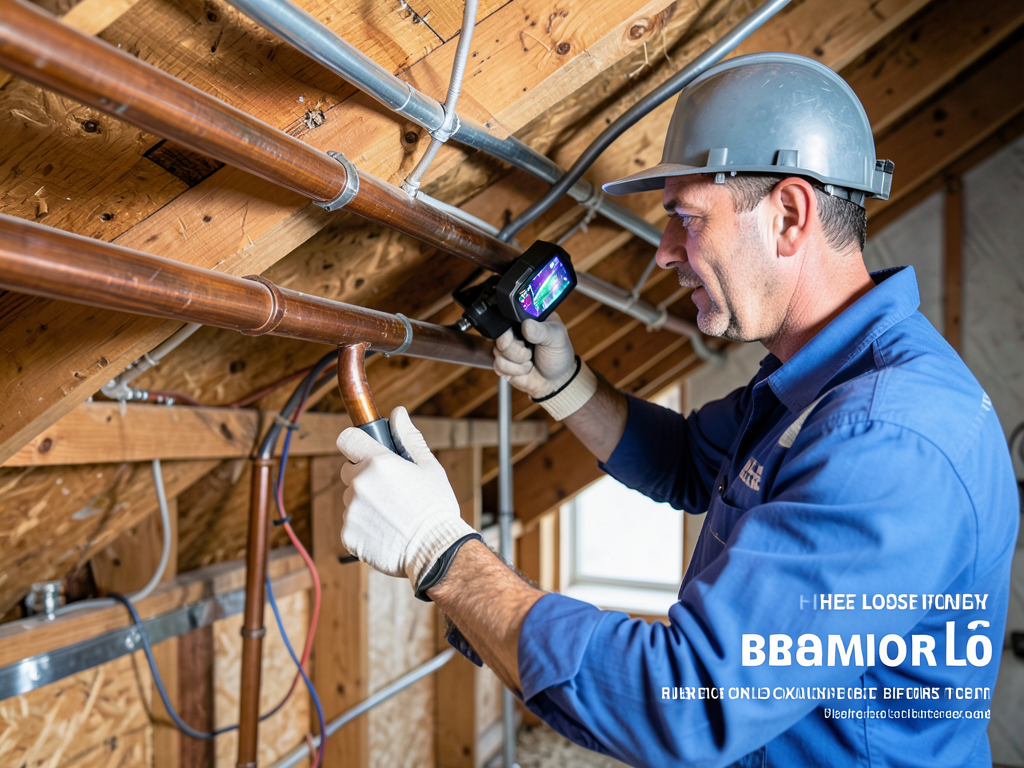
Health and Safety: Water Quality and Leaching Concerns
Copper leaches into water at rates of 0.1-0.5 mg/L when new then stabilizes. The EPA action level is 1.3 mg/L. People with Wilson’s disease or certain sensitivities may prefer PEX. PEX-A uses peroxide for cross-linking producing no harmful byproducts. EPA drinking water regulations.
Bouldin Creek’s older homes may have lead solder joints if copper pipes predate 1986. PEX eliminates this concern entirely. Neither material supports bacterial growth when water flows regularly. Stagnation in rarely used lines affects both equally.
UV exposure degrades PEX over years. Copper withstands sun exposure indefinitely. This matters for outdoor hose bibs and exposed pipe runs. PEX must be protected or painted when used outdoors.
Making the Choice: When to Choose PEX vs. Copper for Your Remodel
Choose PEX when budget matters most, freeze protection is critical, or you need faster completion. PEX works excellently for remodels where walls stay intact since it threads through existing cavities easily. The material suits DIY-inclined homeowners willing to learn basic techniques.. Read more about How to Choose the Right Size Tankless Water Heater for Your Rosedale Family.
Choose copper for maximum longevity, heat tolerance, or when local codes require it for specific applications. Copper remains the standard for main water service lines and gas piping. Its reliability appeals to conservative homeowners planning to stay put for decades.
Consider a hybrid approach. Use PEX for interior distribution and copper for main lines and outdoor connections. This balances cost savings with durability where it matters most. Bouldin Creek’s mix of architectural styles often benefits from customized solutions.
Frequently Asked Questions about Austin Re-piping
Does PEX affect water taste?
Quality PEX has no taste or odor when properly installed. Cheap imported PEX may impart plastic notes. Always use PEX rated for potable water.
Can I mix PEX and copper in the same system?
Yes, using proper transition fittings. Many Austin homes use copper for main lines and PEX for branches. This combines copper’s durability with PEX’s flexibility.
How long does a whole-house repipe take?
PEX typically requires 1-2 days. Copper takes 3-5 days. Both require water shutoff during work and some drywall patching afterward.
Will my water pressure improve with new pipes?
Often yes. Old galvanized pipes accumulate scale reducing flow. New PEX or copper restores original pressure. However, if your pressure is low from the street, pipe replacement won’t help.
Are permits required for repiping in Austin?
Yes. The City of Austin requires permits for any repiping work. Licensed plumbers pull permits and inspections ensure code compliance. This protects your investment and home value.
Ready to upgrade your Bouldin Creek home’s plumbing Call (737) 316-0588 today to schedule your inspection. Our licensed plumbers will evaluate your current system and recommend the best material for your specific needs and budget.
Don’t wait until a pipe bursts during the next Texas freeze. Pick up the phone and call (737) 316-0588 before the next storm hits. We offer same-day estimates and can often start work within 48 hours of approval. Texas Commission on Environmental Quality.
Visit our website to learn more about our comprehensive plumbing services and see recent projects in your neighborhood. Your home deserves reliable water service that lasts for decades.
You may also find this helpful. Stop Clogging Your Windsor Park Kitchen Sink – What Never to Put Down the Disposal.