
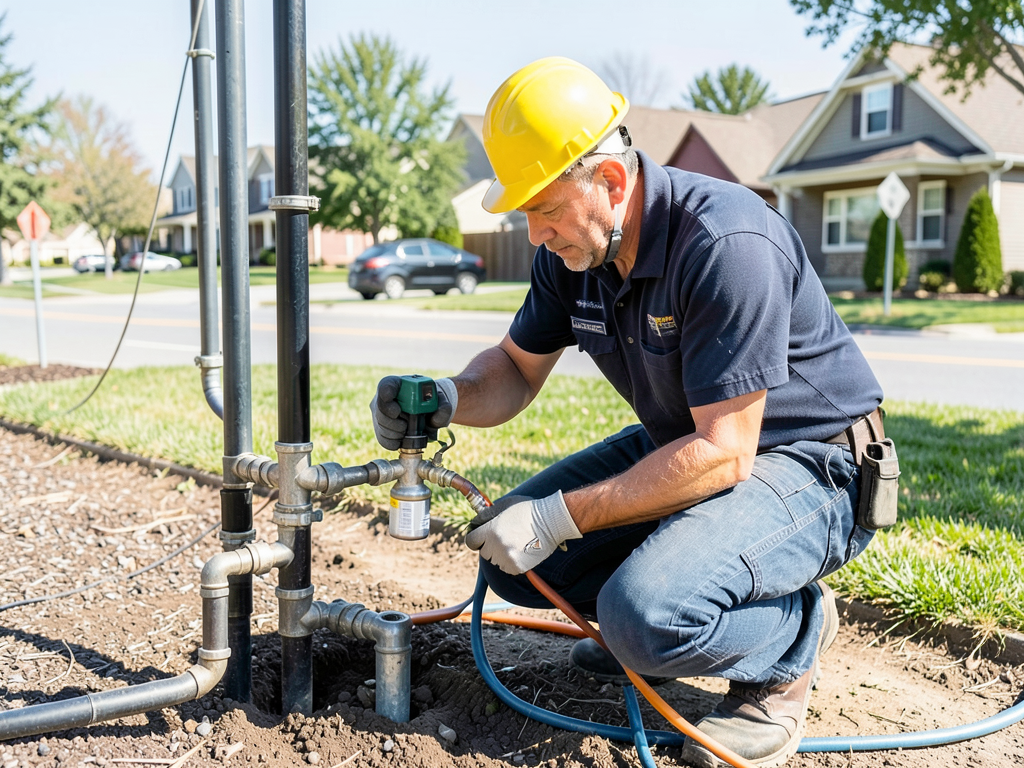
Safe Gas Line Installation for Zilker Patios and Outdoor Fire Pits
Installing a gas line for your Zilker patio or outdoor fire pit requires precision permits and expertise. In Austin’s humid subtropical climate where soil movement and tree roots can stress underground lines only licensed professionals should handle natural gas connections. The City of Austin Development Services Department mandates permits for all new gas installations and Texas Gas Service requires pressure testing before activation. Whether you’re upgrading to a built-in grill or adding a fire feature for Barton Springs evenings proper installation prevents leaks ensures code compliance and protects your family. City of Austin Development Services Department.
Why Zilker Homeowners Need Licensed Gas Line Experts
Zilker’s mix of mid-century bungalows and modern builds presents unique gas line challenges. Many homes near Barton Springs Road were built before modern CSST Corrugated Stainless Steel Tubing standards existed. Older black iron pipes buried in Austin’s expansive clay soil are prone to hairline cracks from seasonal shifting. A licensed Texas Master Plumber understands how to navigate these conditions ensuring your new patio gas line won’t fail when you need it most. DIY gas work isn’t just risky it’s illegal under Texas Occupations Code Chapter 1305. Texas Gas Service.
City of Austin Gas Permit Requirements and Inspections
Before any trench is dug in your Zilker backyard you’ll need a gas permit from the City of Austin. The process starts with submitting detailed plans showing pipe routing appliance locations and shut-off valve placement. A city inspector will verify compliance with the International Fuel Gas Code IFGC as adopted by Austin. After installation a pressure test confirms the system holds 10 psi for 15 minutes without drop. Texas Gas Service won’t activate your meter until this inspection passes. Skipping permits risks fines insurance denial and dangerous leaks. International Fuel Gas Code IFGC.
Common Signs You Need Gas Line Repair or Replacement
Strange odors near your outdoor kitchen or fire pit could signal a gas leak. Natural gas is odorless but suppliers add mercaptan for detection it smells like rotten eggs. Hissing sounds near pipes dead vegetation in a pattern or a white cloud near the ground are red flags. If your older Zilker home has galvanized steel lines corrosion is likely. A licensed plumber uses electronic leak detectors and bubble tests to locate problems before they escalate. Don’t wait for a Texas Gas Service emergency shutdown. Finding an Emergency Plumber in Austin Who Actually Answers the Phone at 3 AM.
The Gas Line Installation Process What to Expect
Professional gas line installation follows a methodical process. First we locate existing utilities using radar and visual inspection to avoid damaging water or electrical lines. Next we trench to proper depth typically 18 inches for residential lines in Austin. For CSST installations we use protective conduit where required by code. All connections are threaded or flared depending on pipe type then pressure tested. Finally we coordinate with Texas Gas Service for meter activation and city final inspection. The entire process usually takes 2-3 days depending on soil conditions and permit timing. Professional Drain Cleaning Services to Clear Stubborn Clogs in South Congress Apartments.
Gas Line Installation Costs in Austin Factors That Affect Pricing
Gas line installation costs vary based on distance pipe material and site conditions. A basic 20-foot run to a fire pit might cost $800-$1200 while a 50-foot underground line with multiple appliances could reach $2500-$4000. Clay soil excavation takes longer than sandy loam. Tree roots or rock require specialized equipment. Permit fees in Austin average $150-$300. CSST is faster to install than black iron but may have different material costs. A detailed quote from a licensed plumber includes all labor materials permits and inspections no surprises.
Outdoor Fire Pit and Kitchen Gas Line Safety Features
Modern outdoor gas installations include safety features that older systems lack. Automatic shut-off valves detect excessive flow and cut gas if a line breaks. Sediment traps prevent debris from reaching burners. Proper venting prevents carbon monoxide buildup in covered patios. In Austin’s heat UV-resistant piping protects against sun degradation. We also install easily accessible shut-off valves so you can quickly stop gas flow if needed. These features aren’t optional they’re required by the IFGC and local amendments.
CSST vs Black Iron Pipe Which Is Right for Your Zilker Home
Choosing between CSST and black iron depends on your specific situation. CSST is flexible easier to route around obstacles and resistant to seismic movement beneficial in Austin’s clay soil. Black iron is durable and traditional but requires more joints each a potential leak point. For underground runs we often use polyethylene PE pipe with tracer wire. CSST must be properly bonded to prevent lightning damage a requirement many DIYers miss. A licensed plumber evaluates your layout local codes and long-term needs to recommend the best option.
Emergency Gas Shut-Off Valve Installation
Every gas appliance installation should include an accessible emergency shut-off valve. For outdoor kitchens this means a valve within 6 feet of the appliance but not inside any enclosure. We install quarter-turn ball valves that close completely with one motion. In emergencies you won’t have time to search for a wrench. We also label all valves clearly and show homeowners their locations during final walkthrough. This simple addition costs $150-$250 but could prevent disaster.
Carbon Monoxide Safety and Ventilation for Covered Patios
Installing gas appliances under covered patios requires careful ventilation planning. Natural gas produces carbon monoxide during combustion and enclosed spaces can concentrate this deadly gas. We calculate required air exchange rates based on BTU output and ensure vents are properly positioned to create cross-flow. In Austin’s humid climate we also consider moisture control to prevent mold growth. Carbon monoxide detectors are mandatory in any enclosed space with gas appliances we help you choose and place them correctly.
Comparison Table Gas Line Materials for Zilker Homes
| Material | Cost per Foot | Installation Time | Best Use | Key Advantage |
|---|---|---|---|---|
| CSST | $3-$5 | Fast | Indoor runs | Flexible routing |
| Black Iron | $2-$4 | Slow | Underground | Extreme durability |
| PE Pipe | $1-$3 | Fast | Buried lines | Corrosion resistant |
| Copper | $5-$8 | Medium | Short runs | Easy connections |
Frequently Asked Questions
Do I need a permit for a gas fire pit in Austin
Yes. The City of Austin requires permits for all new gas installations including fire pits. This ensures proper pressure testing and code compliance.
How long does gas line installation take
Most residential installations take 2-3 days total one day for trenching and piping one for connections and pressure testing and final inspection coordination.
Can I use my existing gas line for a new outdoor kitchen
Maybe but it needs professional evaluation. Older lines may be undersized or corroded. We’ll test pressure and inspect for code compliance before connecting new appliances.
What happens if I smell gas after installation
Leave immediately avoid sparks and call Texas Gas Service’s emergency line at 1-800-959-5325 from a safe location. Then call us to inspect and repair.
Is CSST safe in lightning-prone areas
Yes when properly bonded. CSST must be connected to the home’s grounding system per manufacturer instructions and local code to prevent damage from electrical surges.
Call (737) 316-0588 Today for Safe Gas Line Installation
Don’t risk your family’s safety with unlicensed gas work. Our Texas Master Plumbers understand Zilker’s unique conditions and Austin’s strict codes. We handle everything from permit acquisition to final inspection ensuring your outdoor kitchen or fire pit is both beautiful and safe. Call (737) 316-0588 today to schedule your consultation. We’ll evaluate your property explain your options and provide a detailed quote with no hidden fees. Your dream patio deserves professional installation call now before the next barbecue season begins.