Menu

Hydro Jetting vs. Snaking in Austin – Expert Guidance to Choose the Right Drain Cleaning Method

All Pro Plumbing Austin breaks down the difference between hydro jetting and snaking so you can make an informed decision based on your specific clog type, pipe condition, and long-term drain health.

Slider Image 1
Slider Image 2
Slider Image 3
Slider Image 4
Slider Image 5
Slider Image 7
Slider Image 8
Slider Image 9
Slider Image 10
Slider Image 11

Why Austin Homeowners Need to Know the Difference Between Hydro Jetting and Snaking

You know you have a clogged drain. The question is which method will actually fix it. In Austin, the debate between hydro jet vs drain snake comes up constantly because our aging cast iron pipes and the invasive root systems from live oaks create very different blockage scenarios.

A plumbing snake is a mechanical cable that punches a hole through the obstruction. It works fast for simple clogs like hair or soap buildup in bathroom drains. You get immediate relief. But the snake does not remove the buildup coating your pipe walls. Within months, that coating traps new debris and the clog returns.

Hydro jetting uses high-pressure water streams to scour the entire interior surface of the pipe. It removes grease, mineral scale, tree roots, and decades of accumulated sludge. The difference between hydro jetting and snaking is not just power. It is thoroughness. Snaking creates a temporary path through the blockage. Jetting restores the full diameter of the pipe.

Austin's hard water accelerates mineral deposits inside drain lines. Our expansive clay soil shifts foundations and cracks older sewer laterals, creating entry points for root intrusion. These conditions make hydro jetting vs rooter a critical consideration. If you have recurring clogs every few months, a drain snake is treating the symptom. Hydro jetting addresses the underlying problem.

The pros and cons of hydro jetting vs snaking depend on your pipe material, the severity of the blockage, and whether you want a temporary fix or a long-term solution. Knowing which tool matches your situation saves you from paying twice for the same problem.

Why Austin Homeowners Need to Know the Difference Between Hydro Jetting and Snaking
How Hydro Jetting and Snaking Work and When to Use Each Method

How Hydro Jetting and Snaking Work and When to Use Each Method

A drain snake is a coiled metal cable with a cutting head. The technician feeds it into the drain opening and rotates it manually or with a motor. The cutting head bores through the obstruction until water flows again. Snaking works well for isolated clogs in branch lines like kitchen sinks or bathtub drains. It is fast, minimally invasive, and effective for soft blockages like paper, hair, or food particles.

The limitation is that the snake only clears a path. It does not clean the pipe. If your main sewer line has a thick layer of grease or scale, the snake will create a hole through it, but the buildup remains. Within weeks or months, new debris adheres to that residue and the clog reforms. You end up calling for service repeatedly.

Hydro jetting uses a specialized nozzle that emits water at pressures between 3,000 and 4,000 PSI. The nozzle is inserted into a cleanout access point and propelled through the pipe by the water jets. Forward-facing jets cut through roots and obstructions. Rear-facing jets scour the pipe walls and flush debris downstream. The result is a pipe interior that looks almost new.

Hydro jetting vs rooter is the right choice when you have recurring clogs, slow drains throughout the house, or visible root intrusion in your sewer line. It is also the preferred method before relining or repairing a damaged pipe because you need a clean surface for the new material to adhere properly.

The water jetting vs plumbing snake decision depends on pipe condition. Older Orangeburg pipes or severely corroded cast iron lines can collapse under hydro jetting pressure. A camera inspection before jetting identifies these risks. All Pro Plumbing Austin always scopes the line first to confirm the pipe can handle the pressure.

How We Determine Which Method Solves Your Drain Problem

Hydro Jetting vs. Snaking in Austin – Expert Guidance to Choose the Right Drain Cleaning Method
01

Video Camera Inspection

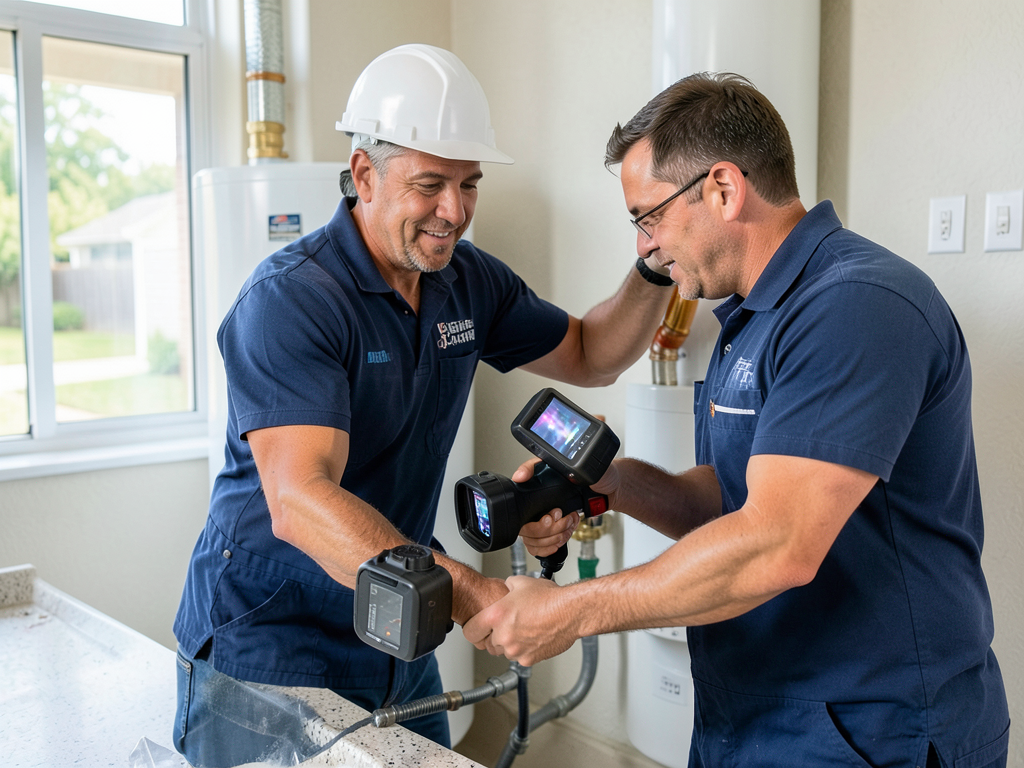
We insert a high-resolution camera into your drain line to identify the type of blockage, its location, and the condition of your pipes. This step reveals whether you have grease buildup, root intrusion, collapsed sections, or simple clogs. The footage shows us if your pipes can safely withstand hydro jetting pressure or if snaking is the safer option. You see exactly what we see on a monitor in real time.
02

Tailored Method Selection

Based on the camera findings, we recommend either snaking for isolated soft clogs or hydro jetting for systemic buildup and root intrusion. If your cast iron pipes show significant corrosion or your Orangeburg lines are deteriorating, we will not risk hydro jetting. We explain the pros and cons of hydro jetting vs snaking for your specific situation. No upselling. Just the right tool for the job.
03

Post-Service Verification

After clearing the blockage, we run the camera through the line again to confirm complete removal and verify pipe integrity. You get before-and-after footage showing the difference. If we used hydro jetting, the pipe walls will be visibly cleaner. If we snaked the drain, you will see a clear path through the obstruction. This documentation protects you and confirms the work was done correctly.

Why All Pro Plumbing Austin Is Your Trusted Resource for Drain Cleaning Decisions

Austin's mix of older homes with cast iron stacks and newer builds with PVC creates a diagnostic challenge. The wrong drain cleaning method can damage your pipes and cost thousands in repairs. All Pro Plumbing Austin prioritizes accuracy over speed. We scope every line before recommending a solution because we have seen too many pipes collapse after aggressive jetting by contractors who skipped the inspection.

Our technicians are trained to read camera footage and identify the early signs of pipe failure. Hairline cracks, offset joints, and thinning walls are red flags that hydro jetting could cause a catastrophic failure. In these cases, we use a snake or recommend pipe replacement. This conservative approach has saved our clients from emergency excavations and slab leaks.

We also understand Austin-specific issues. The live oak roots in neighborhoods like Tarrytown and Clarksville infiltrate sewer laterals through tiny cracks. These roots grow into dense mats that require cutting heads and hydro jetting to fully remove. A standard snake will poke through but leave the root structure intact. Within months, the roots regrow and the blockage returns.

The difference between hydro jetting and snaking is not just technical. It is about matching the tool to the problem. A technician who only carries a snake will tell you snaking is the answer. A technician who invested in hydro jetting equipment will push jetting even when it is overkill. All Pro Plumbing Austin carries both tools and uses the one your pipes actually need.

We also pull permits when required by the City of Austin for sewer line work. Many fly-by-night services skip this step to save time. If you ever sell your home, unpermitted plumbing work can derail the sale. We do it right the first time so you have documentation and peace of mind.

What to Expect When You Call All Pro Plumbing Austin for Drain Cleaning

Same-Day Diagnostic Service

We offer same-day camera inspections for most calls. Our trucks carry video equipment and both snaking and jetting tools so we can diagnose and resolve the issue in one visit. You do not wait days for an appointment or get stuck in a multi-visit upsell cycle. We show you the problem, explain your options, and complete the work the same day if you approve the service. No surprises, no pressure.

Transparent Diagnosis and Pricing

Before any work begins, you watch the camera footage with our technician. We point out the blockage, explain why it formed, and discuss whether snaking or hydro jetting is appropriate. You receive a flat-rate quote that includes the method, labor, and any follow-up camera verification. If we find additional issues like a cracked pipe or offset joint, we document it and provide a separate estimate for repair. You decide what gets done and when.

Clean Pipes and Clear Drains

If we snake your drain, you get immediate flow restoration. If we hydro jet the line, you get pipes that are as clean as the day they were installed. The water jetting vs plumbing snake outcome is visibly different on the post-service camera footage. Snaking removes the obstruction. Jetting removes the environment that caused the obstruction. Your drains will run faster and stay clear longer after jetting because there is no residue left for new debris to cling to.

Maintenance Recommendations

After service, we provide specific maintenance guidance based on what we found. If you have root intrusion, we recommend annual hydro jetting to prevent regrowth from blocking the line. If you have grease buildup, we explain how enzyme treatments can slow accumulation between service calls. For older pipes showing wear, we discuss trenchless relining options before you face an emergency failure. Our goal is to extend the life of your plumbing system and prevent costly surprises.

Frequently Asked Questions

You Have Questions,
We Have Answers

Is hydro jetting better than snaking? +

Hydro jetting clears blockages more thoroughly than snaking. A drain snake breaks through clogs mechanically, but it leaves residue on pipe walls. Hydro jetting uses high-pressure water to scour the entire pipe interior, removing grease, scale, and tree roots completely. For Austin homes with older clay or cast iron sewer lines affected by root intrusion from live oaks and pecans, hydro jetting prevents repeat clogs longer. Snaking works for simple blockages, but hydro jetting addresses the underlying buildup that causes recurring problems.

Is hydro jetting worth the cost? +

Hydro jetting costs more upfront but saves money long-term. Snaking might clear a clog temporarily, but buildup returns quickly. Hydro jetting removes all debris, so you face fewer emergency calls and repeat visits. For Austin properties with mature landscaping, roots penetrate sewer lines aggressively. Hydro jetting removes root intrusions and buildup in one service, reducing the frequency of mainline stoppages. If you experience clogs every few months, hydro jetting pays for itself by eliminating the cycle of temporary fixes.

Is hydro jetting safe for old pipes? +

Hydro jetting is safe for most pipes when performed by a trained plumber. Older pipes in Austin, particularly pre-1980 cast iron or clay sewer lines, require a camera inspection first. Corroded or cracked pipes can fail under high pressure. A qualified plumber assesses pipe condition using video inspection before hydro jetting. If pipes show significant deterioration, snaking or trenchless repair may be safer options. Modern PVC and ABS pipes handle hydro jetting without issue. Never skip the inspection step on older plumbing systems.

What are the signs I need hydro jetting? +

You need hydro jetting if you experience frequent drain backups, slow drains throughout the home, foul odors from drains, or gurgling sounds when you flush. Multiple clogged fixtures indicate a mainline blockage, not isolated drain issues. Homes in older Austin neighborhoods with mature trees often need hydro jetting to remove root infiltration. If snaking provides only temporary relief, buildup has coated your pipes. Greasy wastewater backups in kitchen lines also signal the need for hydro jetting to remove accumulated fats and oils.

Does hydro jetting have any disadvantages? +

Hydro jetting can damage fragile or deteriorating pipes. Older cast iron, clay, or Orangeburg pipes common in Austin homes built before 1980 may crack under high pressure. The service costs more than snaking and requires specialized equipment and training. Hydro jetting also uses significant water volume, which may concern homeowners during drought restrictions. Always insist on a camera inspection before hydro jetting. If your pipes show corrosion, cracks, or misalignment, snaking or pipe replacement may be safer and more cost-effective.

What do plumbers recommend to unclog drains? +

Plumbers recommend hydro jetting for mainline blockages and snaking for isolated drain clogs. The method depends on clog location, pipe condition, and blockage type. For kitchen grease buildup or root intrusion in Austin sewer lines, hydro jetting delivers better results. For a single toilet or sink clog, snaking works efficiently. Professional plumbers start with camera inspection to identify the problem, then choose the appropriate tool. Chemical drain cleaners damage pipes and harm the environment, so professionals avoid them entirely.

How much do plumbers charge to hydrojet? +

Plumbers in Austin typically charge between $350 and $600 for hydro jetting, depending on clog severity, line accessibility, and pipe length. Mainline hydro jetting costs more than branch line service. The price includes camera inspection to assess pipe condition before jetting. Emergency or after-hours service increases cost. Prices vary based on whether you need cleanout installation or excavation to access the line. Request a detailed estimate that includes inspection, jetting, and any additional services needed to resolve the blockage completely.

Why do plumbers say not to use drain cleaner? +

Drain cleaners contain caustic chemicals that corrode pipes, damage seals, and harm septic systems. The chemicals generate heat that can warp PVC joints and eat through older cast iron pipes common in Austin homes. Drain cleaners also pose safety risks, creating toxic fumes and causing chemical burns. They provide temporary relief but never address underlying buildup. Repeated use accelerates pipe deterioration, leading to costly repairs. Professional plumbers use mechanical methods or hydro jetting, which clear clogs without damaging your plumbing system or introducing hazardous substances.

Can I do hydro jetting myself? +

Do not attempt hydro jetting yourself. Professional hydro jetters operate at 3,000 to 4,000 PSI, enough pressure to cause serious injury or pipe damage without proper training. You cannot assess pipe condition without a sewer camera, so you risk rupturing deteriorated pipes. Rental equipment lacks the power and precision of professional systems. Austin homes with older sewer lines require expert evaluation before any high-pressure cleaning. Improper technique can drive blockages deeper or damage pipe joints. Hydro jetting requires licensure, insurance, and specialized knowledge.

How much do plumbers charge to snake a sewer line? +

Plumbers in Austin charge $150 to $350 to snake a sewer line, depending on blockage depth, line accessibility, and whether a cleanout exists. Simple clogs near the cleanout cost less than blockages 100 feet into the mainline. Prices increase for after-hours emergency service or if the plumber needs to install a cleanout for access. Snaking provides temporary relief but does not remove pipe buildup. If you need snaking more than once yearly, hydro jetting becomes the more economical long-term solution.

How Austin's Aging Infrastructure and Invasive Tree Roots Make Hydro Jetting vs Snaking a Critical Decision

Austin has one of the highest concentrations of heritage live oaks in Texas. These trees are protected under city ordinance, but their root systems are aggressive and infiltrate older clay and cast iron sewer lines. Neighborhoods like Hyde Park and Bouldin Creek have homes built between 1920 and 1950 with original plumbing. The combination of shifting clay soil and invasive roots creates recurring blockages that snaking alone cannot solve. Hydro jetting is often the only method that removes the root mass without damaging the tree or requiring a full pipe replacement.

All Pro Plumbing Austin has worked with the City of Austin Water Utility on sewer lateral inspections and understands local code requirements for mainline repairs. We know which areas have clay tile sewers prone to root infiltration and which neighborhoods have Orangeburg pipes that cannot handle high-pressure jetting. This local knowledge prevents costly mistakes. When you choose a plumber familiar with Austin's infrastructure challenges, you get accurate diagnostics and solutions that match your specific pipe conditions and soil type.
Plumbing Services in The Austin Area

While we proudly serve the entire Austin area, you can easily locate our central operations or explore our service coverage on the map below. We are committed to reaching you promptly, wherever you are within our service region, ensuring timely and efficient plumbing solutions for both residential and commercial clients. Feel free to zoom in and out to visualize our extensive service areas and discover how close professional plumbing assistance truly is.

Address:
All Pro Plumbing Austin, 3800 North Lamar Boulevard Lamar Central, Austin, TX, 78756

Additional Services We Offer

Our news updates

Latest Articles & News from The Blogs

Planning the Plumbing for a New Master Suite Addition in Govalle Adding a master suite to your Govalle home requires…

Planning the Plumbing for a New Master Suite Addition in Govalle

Planning the Plumbing for a New Master Suite Addition in Govalle Adding a master suite to your Govalle home requires…

How to Stop That Loud Thumping Noise in Your St Edwards Home (Water Hammer Explained)

How to Stop That Loud Thumping Noise in Your St Edwards Home (Water Hammer Explained) Does your plumbing sound like…

Why Your Copperfield Yard Smells Like Sewage and What to Do About It

Why Your Copperfield Yard Smells Like Sewage and What to Do About It Your Copperfield yard should smell like fresh…

Contact Us

Stop guessing about recurring clogs. Call All Pro Plumbing Austin at (737) 316-0588 for a camera inspection and transparent recommendation. We show you the problem and explain whether snaking or hydro jetting is the right fix for your pipes.