Menu

Emergency Sewer Backup Cleanup in Austin – 24/7 Dispatch Gets Crews to You in Under 60 Minutes

Raw sewage is a biohazard that spreads fast. All Pro Plumbing Austin specializes in emergency sewer backup cleanup with immediate response teams, hospital-grade disinfection protocols, and rapid extraction equipment standing by around the clock.

Slider Image 1
Slider Image 2
Slider Image 3
Slider Image 4
Slider Image 5
Slider Image 7
Slider Image 8
Slider Image 9
Slider Image 10
Slider Image 11

When Raw Sewage Floods Your Austin Property, Every Minute Counts

A sewer backup does not wait for business hours. Raw sewage contains bacteria, viruses, and pathogens that contaminate every surface they touch. In Austin's heat and humidity, bacterial growth accelerates within hours, turning a plumbing emergency into a health crisis.

The causes vary. Tree roots infiltrate aging clay pipe systems common in older Austin neighborhoods like Hyde Park and Clarksville. Heavy rainfall overwhelms municipal sewer lines, causing backflow through floor drains and toilets. Grease buildup in kitchen drains hardens and blocks main sewer lines. Collapsed pipes from soil shifting create sudden blockages that send sewage back into your building.

The damage spreads fast. Sewage soaks into drywall, baseboards, and subflooring. Porous materials like carpet and insulation become permanent biohazard waste. Contaminated water seeps into HVAC ducts, spreading pathogens throughout your property. The smell embeds into furniture and personal belongings.

You need urgent sewage removal services that stop the contamination before it spreads. Emergency raw sewage extraction protects your family or employees from exposure. Immediate sewage spill mitigation prevents structural damage that turns a plumbing emergency into a total loss. All Pro Plumbing Austin provides 24 hour sewer overflow cleaning with industrial-grade equipment and EPA-approved disinfectants. We dispatch rapid sewer backup restoration crews within the hour because we know what untreated sewage does to Austin properties in this climate.

When Raw Sewage Floods Your Austin Property, Every Minute Counts
How Professional Sewage Cleanup Protects Your Health and Property

How Professional Sewage Cleanup Protects Your Health and Property

Raw sewage requires Category 3 water damage protocols. This is not a job for shop vacuums and household cleaners. Improper cleanup leaves contamination that causes illness weeks later. All Pro Plumbing Austin follows IICRC S500 standards for sewage extraction and disinfection.

We start with containment. Our crews isolate the affected area to prevent cross-contamination. We shut off water sources feeding the backup and establish negative air pressure if needed. Industrial submersible pumps extract standing sewage at 80 gallons per minute. Truck-mounted extractors pull contaminated water from carpet padding and subflooring.

Next comes waste removal. Any porous material touched by raw sewage gets bagged and disposed of as biohazard waste. Drywall gets cut 12 inches above the waterline. Carpet and padding go. Insulation gets pulled. We remove baseboards to access wall cavities where sewage wicks upward through capillary action.

Then we disinfect. EPA-registered antimicrobial solutions get applied to all hard surfaces. We treat concrete slabs, tile, and framing lumber. Commercial air scrubbers with HEPA filters remove airborne pathogens. Hydroxyl generators neutralize organic compounds that cause sewage odor.

Final step is drying. Industrial dehumidifiers pull moisture from the air while high-velocity fans circulate airflow across wet surfaces. We monitor moisture levels in structural materials using penetrating moisture meters. Wood framing must reach 15 percent moisture content before reconstruction begins. Concrete slabs need sub-12 percent readings. Rushing this phase invites mold growth that creates a second disaster on top of the sewage backup.

What Happens During Emergency Sewage Response

Emergency Sewer Backup Cleanup in Austin – 24/7 Dispatch Gets Crews to You in Under 60 Minutes
01

Immediate Dispatch and Assessment

You call our 24-hour emergency line. Our dispatcher sends the nearest crew while walking you through immediate safety steps like shutting off water and evacuating the contaminated area. A crew arrives within 60 minutes with extraction equipment, personal protective equipment, and containment supplies. The lead technician performs a visual assessment, identifies the backup source, and maps the contamination zone before starting extraction.
02

Extraction and Decontamination

Crews extract all standing sewage using submersible pumps and truck-mounted vacuums. We remove contaminated materials that cannot be salvaged. Hard surfaces get scrubbed with antimicrobial solutions rated for Category 3 water damage. We treat wall cavities, crawl spaces, and any hidden areas where sewage infiltrated. Air scrubbers run continuously to remove airborne pathogens while hydroxyl generators break down odor-causing compounds at the molecular level.
03

Drying and Clearance Testing

Industrial dehumidifiers and air movers run 24/7 until moisture readings meet industry standards for reconstruction. We take daily moisture readings in structural materials and document the drying process for insurance claims. Once materials reach target moisture levels, we perform final antimicrobial treatment and clearance testing. You get written documentation that the space is safe for occupancy and reconstruction, along with detailed photo records of the entire restoration process.

Why Austin Properties Need Local Sewage Backup Specialists

Sewage backup cleanup is not standard plumbing work. It requires biohazard training, specialized equipment, and knowledge of local sewer infrastructure. All Pro Plumbing Austin understands how Austin's aging sewer systems behave during heavy rain events. We know which neighborhoods have clay pipe that attracts root intrusion. We understand how the limestone shelf and clay soil common in Travis County affect foundation movement that breaks sewer laterals.

Our crews train on bloodborne pathogen protocols and wear Tyvek suits, respirators, and nitrile gloves rated for biohazard work. We carry liability coverage specific to sewage contamination work. Our extraction equipment includes truck-mounted pumps that remove sewage faster than portable units, reducing contamination time. We stock EPA-registered disinfectants proven effective against sewage pathogens, not hardware store cleaners that leave contamination behind.

We also coordinate with the City of Austin Water Utility when the backup originates from the municipal main line. We know the reporting requirements and can document city responsibility for insurance and liability purposes. Many out-of-town restoration companies miss this step and leave you holding the bill for city-caused backups.

Response time matters with sewage. A company based in San Antonio or Dallas cannot match our response time to East Austin, Zilker, or neighborhoods north of Highway 183. We stage equipment across the metro area so crews arrive fast. We also understand local permit requirements for demolition and reconstruction work following sewage damage. Travis County and City of Austin have specific protocols for biohazard waste disposal. We handle the paperwork so you can focus on getting your property back.

What to Expect When You Call for Emergency Sewage Cleanup

Immediate Response Time

Our emergency line is staffed 24 hours a day, every day of the year. You reach a live dispatcher, not an answering service. We dispatch crews immediately and provide an estimated arrival time based on your location in the Austin metro. Most responses happen within 60 minutes. Our trucks carry extraction equipment, containment supplies, and disinfectants so work starts the moment we arrive. You do not wait days while sewage sits in your property breeding bacteria.

Thorough Damage Assessment

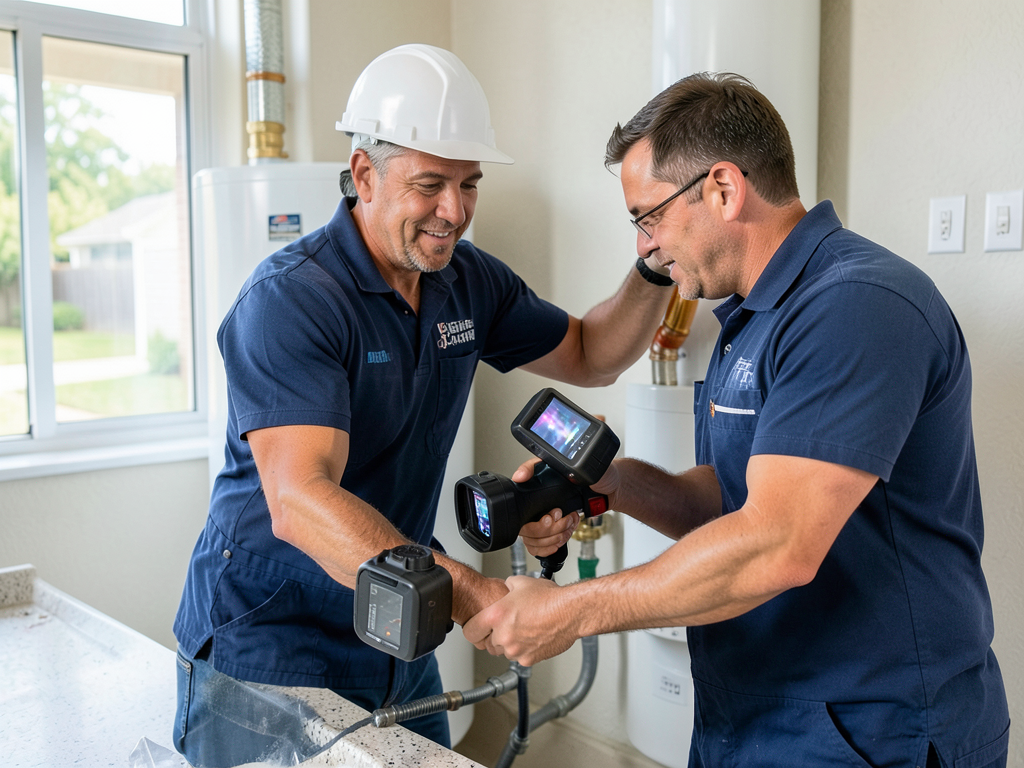
The crew leader documents the contamination using moisture meters, thermal imaging cameras, and photo documentation. We identify the backup source and determine if the blockage is in your lateral line or the city main. We map which materials need removal and which can be saved through proper decontamination. You get a written scope of work before major demolition begins. This documentation is critical for insurance claims. We also coordinate directly with adjusters to answer technical questions about Category 3 water damage protocols.

Complete Contamination Removal

We do not leave contamination behind. Every surface touched by sewage gets treated with EPA-registered antimicrobials. Porous materials that absorbed sewage get removed and disposed of properly. We treat hidden spaces like wall cavities and under cabinets where sewage spreads through wicking. Air scrubbers remove airborne pathogens while industrial dehumidifiers dry structural materials to prevent mold growth. You get moisture readings and clearance documentation showing the space is safe for reconstruction and occupancy.

Post-Cleanup Support and Prevention

After extraction and decontamination, we identify why the backup happened. We camera-inspect your sewer lateral to find root intrusion, collapsed pipe, or bellied sections that cause repeat backups. We provide recommendations for permanent fixes like pipe lining, root removal, or full lateral replacement. We also discuss backwater valve installation to prevent future city main backflows from entering your property. Our goal is not just cleaning up the current mess but preventing the next one. You get a written report with findings and repair options.

Frequently Asked Questions

You Have Questions,
We Have Answers

How to clean up after a sewer backup? +

Stop using the affected area immediately. Shut off water if the backup continues. Call a licensed plumber to clear the blockage first. Do not touch sewage without protection. Wear gloves, boots, and eye protection. Remove standing water with a pump or wet vac. Bag and dispose of contaminated items like rugs or cardboard. Disinfect all hard surfaces with EPA-approved cleaners. Austin's heat accelerates bacterial growth, so speed matters. Do not use fans until after disinfection. Professional remediation teams handle Category 3 water damage safely and prevent mold in our humid climate.

How much does sewage backup cleanup cost? +

Cleanup costs depend on severity and contamination spread. Minor backups affecting one bathroom start around several hundred dollars for professional extraction and disinfection. Extensive backups flooding basements or crawl spaces can reach several thousand dollars, especially if drywall, flooring, or insulation requires removal. Austin's pier and beam foundations can trap sewage under homes, increasing labor costs. Your homeowner's insurance may cover cleanup if you carry sewer backup endorsement. Get multiple estimates. Emergency response within hours prevents secondary damage and keeps costs down. Delaying cleanup invites mold and structural damage.

What is the average cost of sewer drain cleaning? +

Main sewer line cleaning typically costs between a few hundred to over a thousand dollars depending on blockage severity, line length, and access difficulty. Simple augering for soft clogs costs less. Tree root infiltration or collapsed pipes require hydro jetting or camera inspection, increasing costs. Austin's live oak and pecan trees aggressively invade sewer laterals, often requiring annual maintenance. Clay soil shifts can crack older cast iron pipes. Upfront camera inspection adds cost but identifies the exact problem. Preventive cleaning every 18 to 24 months saves money compared to emergency calls.

How long do sewage bacteria last on surfaces? +

Sewage bacteria can survive on surfaces for hours to weeks depending on conditions. E. coli and Salmonella persist for days on porous materials like drywall or wood. Hepatitis A virus survives weeks on hard surfaces. Austin's humidity extends bacterial survival times. Direct sunlight and heat kill some pathogens faster, but you cannot rely on that indoors. All contaminated surfaces require EPA-registered disinfectants after cleaning. Porous materials like carpet padding or insulation must be discarded. Do not assume surfaces are safe because they look clean. Proper disinfection is critical.

How to get rid of sewer smell after a backup? +

Identify and fix the source first. The smell returns if the blockage remains. Clean all contaminated surfaces with enzymatic cleaners designed for sewage odors. Pour water down floor drains to refill P-traps that may have dried out in Austin's heat. Check for sewage trapped under flooring or in crawl spaces. Use commercial odor neutralizers, not air fresheners that mask smells. Run exhaust fans and dehumidifiers after disinfection. Persistent odors indicate hidden contamination or biofilm in pipes. A plumber can camera inspect lines and treat buildup causing ongoing smells.

Can you clear a main sewer line clog yourself? +

You can attempt it, but success depends on the clog type and location. Store-bought augers reach 25 to 50 feet and work for soft clogs near the cleanout. Tree roots, grease buildup, or collapsed pipes require professional hydro jetting or repair. Austin's expansive clay soil shifts pipes, causing bellies where waste collects. Incorrect augering can damage pipes or push clogs deeper. If DIY fails after one attempt, stop and call a plumber. Repeated attempts waste time during an emergency. Professionals have camera equipment to diagnose the exact problem before clearing.

Does homeowners insurance cover sewage back up? +

Standard homeowners insurance does not cover sewer backups. You need a separate sewer backup endorsement or rider added to your policy. This coverage costs extra but pays for cleanup, damaged property, and temporary housing if needed. Review your policy now before an emergency. Austin's aging sewer infrastructure and tree root problems make backups common in older neighborhoods like Hyde Park or Travis Heights. The endorsement typically covers backups from municipal lines and your lateral. Flood insurance does not cover sewer backups. Confirm coverage limits and deductibles with your agent.

Why is my sewer bill 200 dollars? +

Your sewer bill reflects water usage. Austin Water calculates sewer charges based on winter water consumption averages. High bills indicate leaks, running toilets, or irrigation system problems. Check for silent leaks by reading your meter before and after a two-hour period with no water use. Sewer rates also include stormwater fees and Austin Water's infrastructure investments. If your bill spiked suddenly, request a leak adjustment from Austin Water. They may credit unusual usage if you prove a leak was repaired. Compare your bill to previous months to identify patterns.

How long does it take a plumber to unclog a main sewer line? +

Unclogging time ranges from 30 minutes to several hours depending on blockage severity, line depth, and access points. Simple clogs near the cleanout clear quickly with augering. Tree roots or grease buildup 50 to 100 feet out may require multiple attempts or hydro jetting. Camera inspection adds 20 to 30 minutes but pinpoints the issue. Austin's limestone bedrock and deep sewer laterals in hilly areas like West Lake Hills can complicate access. Emergency calls during backups prioritize speed. Most plumbers provide time estimates after initial assessment.

How much do plumbers charge to unclog a sewer line? +

Plumbers charge based on clog severity, time, and equipment required. Simple augering starts around a few hundred dollars. Hydro jetting for stubborn roots or grease costs more due to specialized equipment. Emergency after-hours service in Austin adds premium fees but stops ongoing damage. Camera inspection adds cost but prevents guesswork. Quotes should include trip charges, labor, and equipment. Flat-rate pricing provides cost certainty. Get written estimates before work begins. Preventive maintenance contracts reduce emergency call costs. Investing in annual cleanings costs less than emergency repairs during a backup.

Why Austin's Clay Soil and Limestone Foundation Make Sewer Backups More Common

Austin sits on expansive clay soil over limestone bedrock. When clay soils absorb water during heavy rain, they swell. When they dry out during summer heat, they shrink. This constant movement shifts building foundations and breaks rigid sewer laterals made of cast iron or clay pipe. Many Austin homes built before 1980 have clay pipe sewer laterals that crack under soil pressure. Tree roots from live oaks and cedars infiltrate these cracks, creating blockages that cause sewage backups during high-flow periods. The geography of the area makes emergency sewer backup cleanup a recurring need for older properties across Hyde Park, Tarrytown, and East Austin neighborhoods built on slab foundations.

All Pro Plumbing Austin understands how local soil conditions and aging infrastructure cause sewage backups throughout Travis County. We work daily with properties affected by foundation movement and root-damaged sewer lines. Our crews know which neighborhoods have clay pipe laterals and which have cast iron mains prone to corrosion. We coordinate with the City of Austin Water Utility when municipal main backups affect residential properties. We also understand local building codes for sewer lateral repairs and replacement work. Choosing a restoration company that knows Austin's unique plumbing challenges means faster diagnosis, proper repairs, and prevention strategies that actually work in this soil and climate.
Plumbing Services in The Austin Area

While we proudly serve the entire Austin area, you can easily locate our central operations or explore our service coverage on the map below. We are committed to reaching you promptly, wherever you are within our service region, ensuring timely and efficient plumbing solutions for both residential and commercial clients. Feel free to zoom in and out to visualize our extensive service areas and discover how close professional plumbing assistance truly is.

Address:
All Pro Plumbing Austin, 3800 North Lamar Boulevard Lamar Central, Austin, TX, 78756

Additional Services We Offer

Our news updates

Latest Articles & News from The Blogs

Planning the Plumbing for a New Master Suite Addition in Govalle Adding a master suite to your Govalle home requires…

Planning the Plumbing for a New Master Suite Addition in Govalle

Planning the Plumbing for a New Master Suite Addition in Govalle Adding a master suite to your Govalle home requires…

How to Stop That Loud Thumping Noise in Your St Edwards Home (Water Hammer Explained)

How to Stop That Loud Thumping Noise in Your St Edwards Home (Water Hammer Explained) Does your plumbing sound like…

Why Your Copperfield Yard Smells Like Sewage and What to Do About It

Why Your Copperfield Yard Smells Like Sewage and What to Do About It Your Copperfield yard should smell like fresh…

Contact Us

Every hour you wait allows contamination to spread deeper into your property. Call (737) 316-0588 now for immediate emergency sewage backup cleanup. Our crews dispatch within the hour with industrial extraction equipment and hospital-grade disinfectants. Do not let raw sewage destroy your Austin property.